




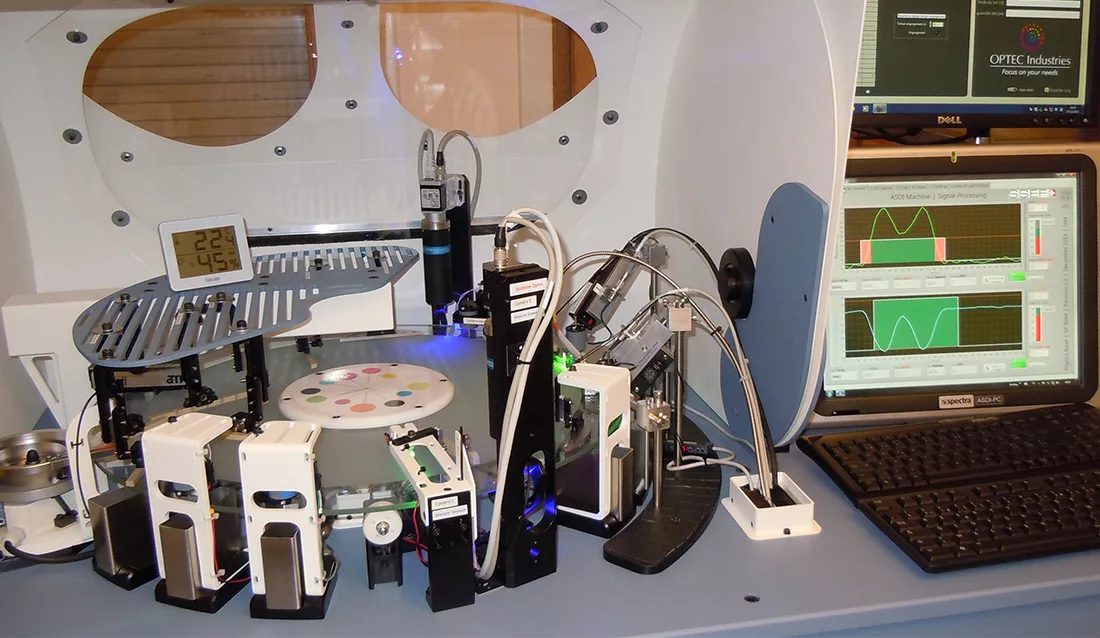
ASDI (Automated Spectral Diamond Inspection)
by J.-P. Chalain, first published in Facette 21 (February 2014) In 2013, numerous trade-press articles and gemmological laboratory alerts warned the diamond industry about the presence of synthetic diamonds mixed together with, or presented as, natural diamonds. These announcements pointed out that not onl
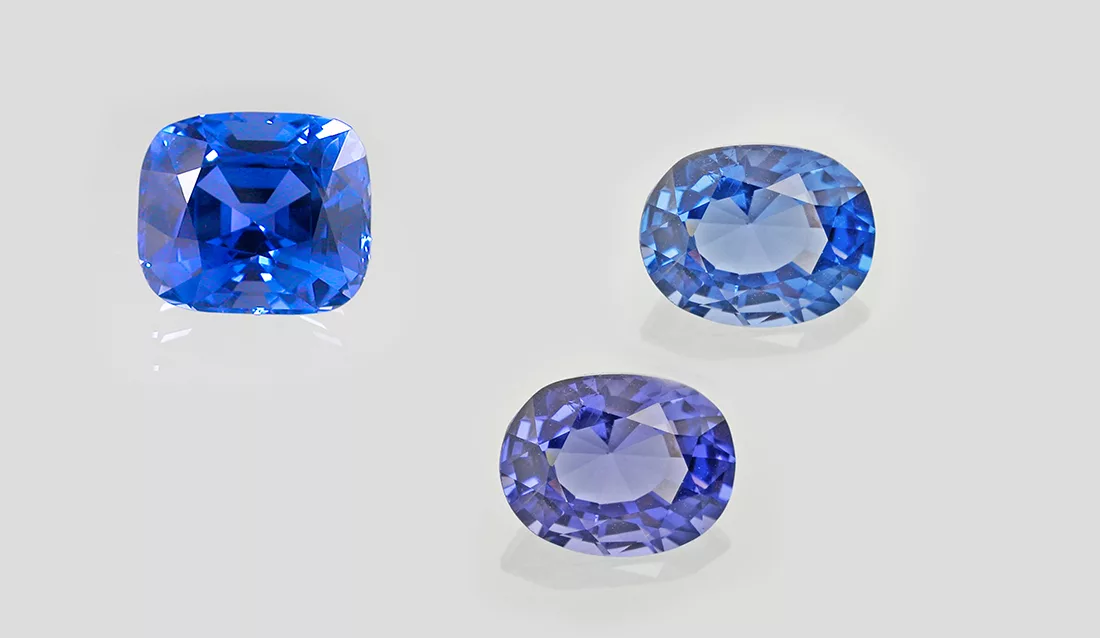
Blue cobalt spinel from Vietnam
by Dr. M.S. Krzemnicki, first published in Facette 21 (February 2014) In 2013, Ms. Carina Hanser from the University Freiburg im Breisgau in Germany successfully completed her bachelor thesis on cobalt-spinel from Vietnam. Under the supervision of Dr Krzemnicki, Prof de Capitani (University Basel) and Prof
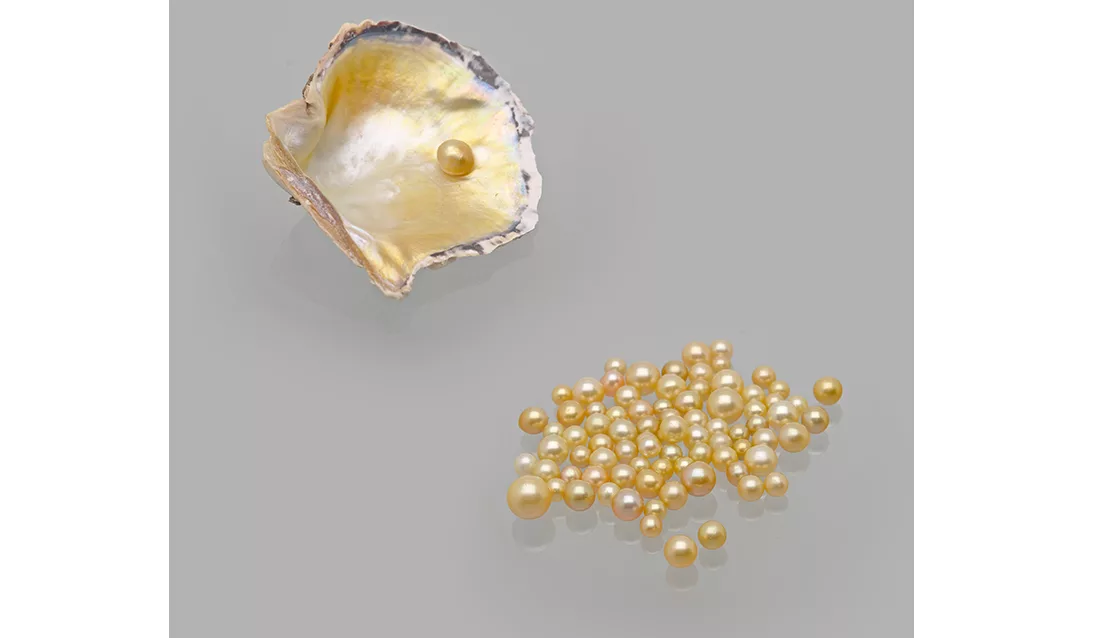
Pipi Pearls from the Pacific
first published in Facette 21 (February 2014) In 2013, SSEF received a lot of beautiful small so-called Pipi- pearls from the Pacific. These natural pearls are generally rather small, up to about 8 mm in diameter. This is not astonishing as they are formed within the rather small shell of the Pinctada macu
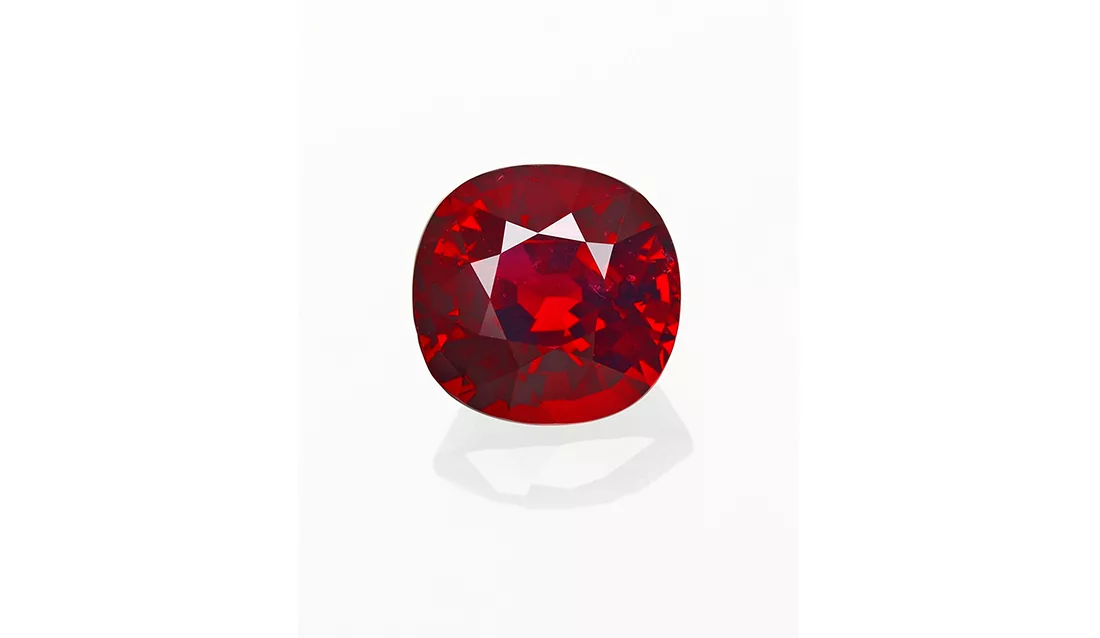
Didy Rubies
by Dr. M.S. Krzemnicki, first published in Facette 21 (February 2014) Since 2012, a new gem find near Didy (Madagscar) has produced some sapphires and rubies of outstanding size and quality (Pardieu et al. 2012, Peretti and Hahn 2012). This material originates from a remote area in the jungle south of the
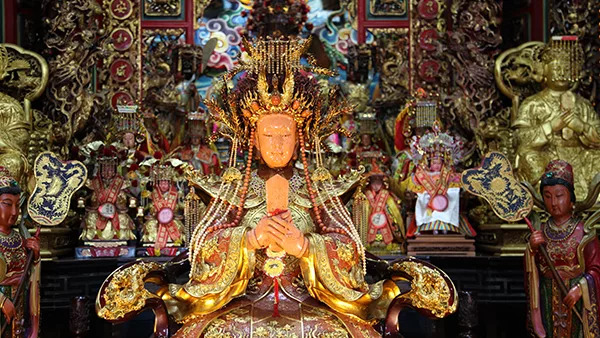
Precious coral in jewelry: new discoveries
Precious coral in jewelry: new discoveries. Published in GemGuide, November / December 2020, 1-4.
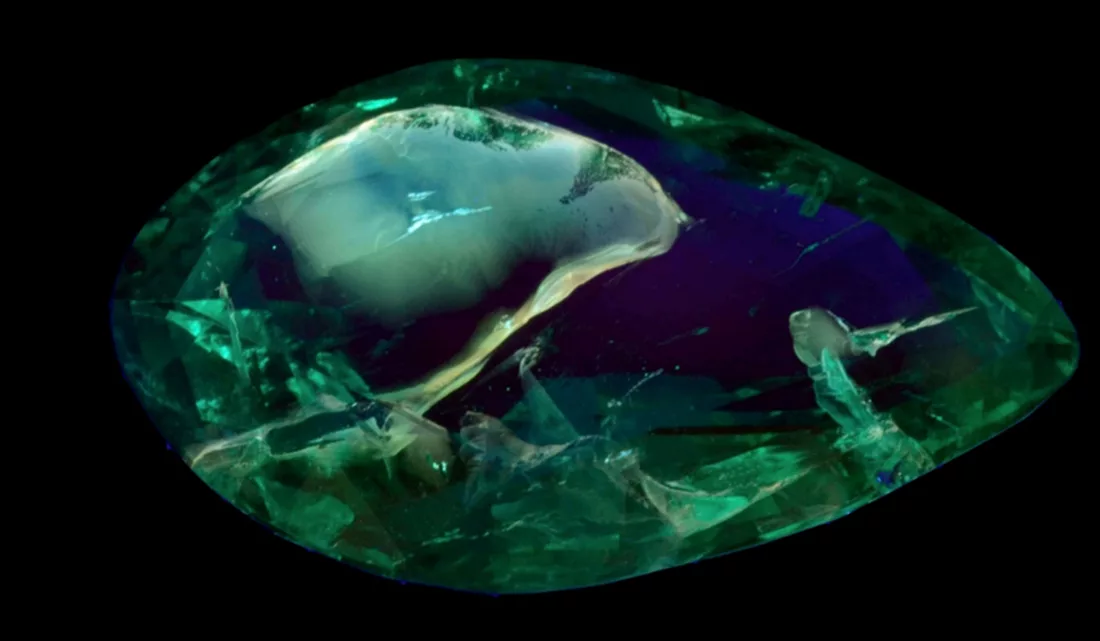
Emeralds and the Saga of Cleaning and Filling Fissures
There is a long established tradition in the trade to fill open fissures in emeralds with colourless fillers, such as oil, wax and (artificial) resins, to reduce their visibility. Disclosure of such treatments is mandatory (CIBJO), including a quantification of the filler substance, as this may have a direct im
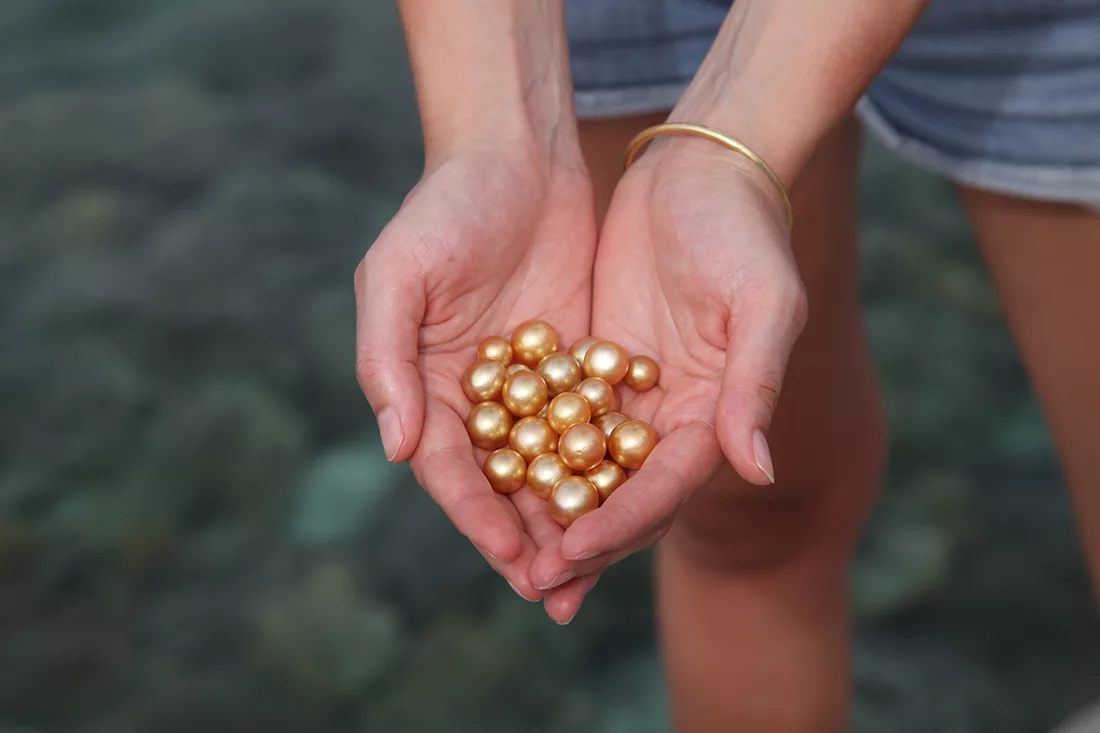
Research on Golden Cultured Pearls
In February 2016 Dr. Laurent Cartier had the opportunity of visiting Jewelmer pearl farms near Palawan Island in the Philippines and observing the different culturing techniques required to harvest golden South Sea pearls.
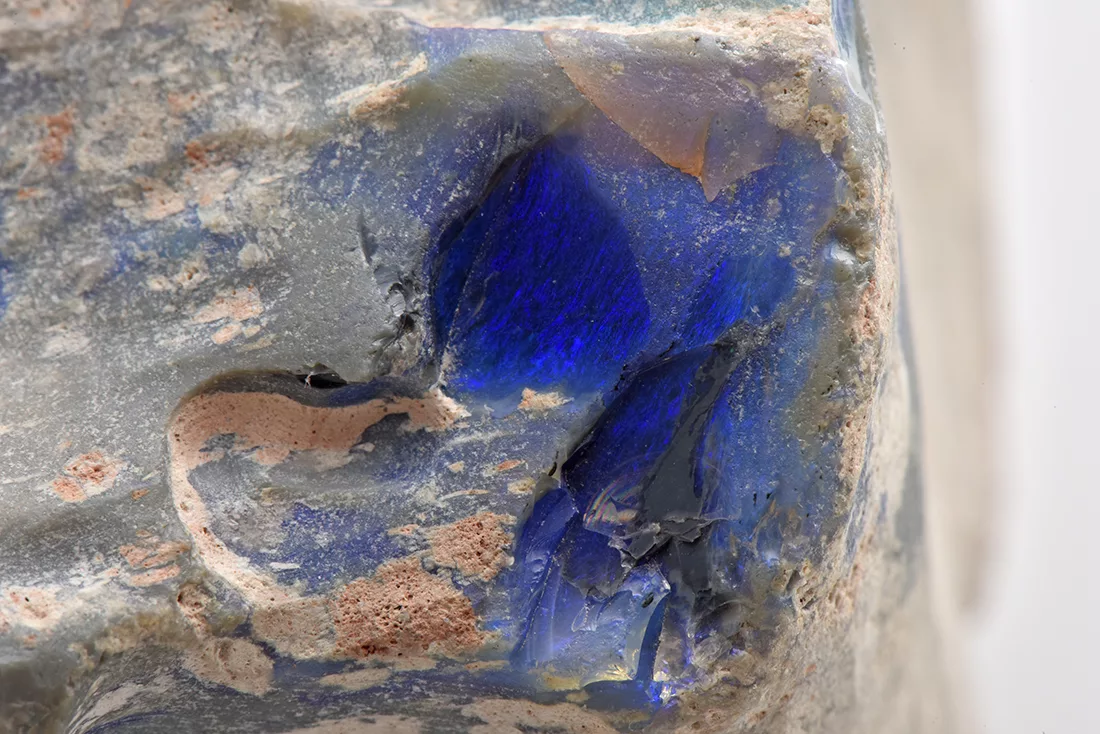
Study of opalised Dinosaur Vertebra
Recently, the Swiss Gemmological Institute SSEF received an exceptional opalised dinosaur vertebra for study. This specimen was reportedly from Lightning Ridge (New South Wales in Australia) – a world famous source of dark opals and opalised plant and animal fossils - and was already photographed by Elizabeth
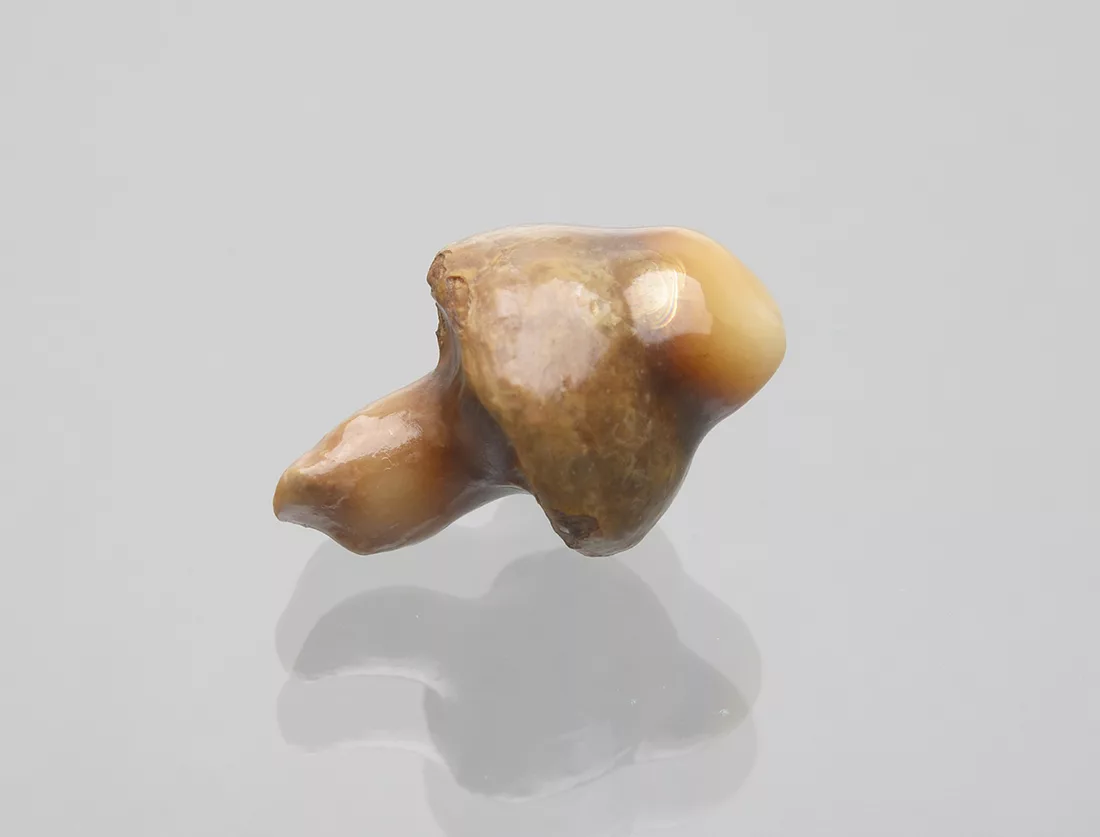
Strange Mushroom Pearl
by SSEF, first published in Facette 20 (January 2013) In 2012, we again received a number of pearls with strange shapes for testing. The most extravagant and intriguing of these curiosities of nature was a non-nacreous brownish natural pearl from a marine mollusc, which closely resembled a mushroom (see ph
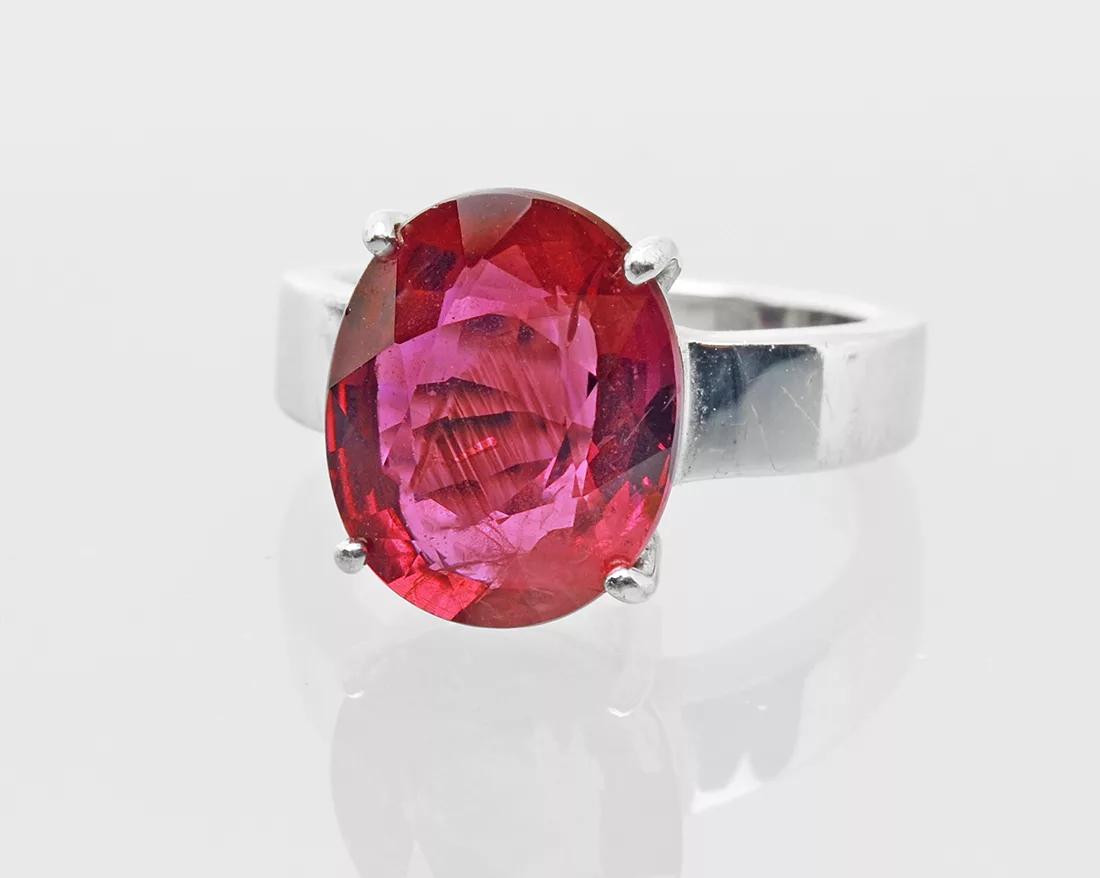
The Challenge: Identification of a Ramaura Synthetic Ruby
by Dr. Michael S. Krzemnicki, first published in Facette 22 (February 2016) Similar to fashion trends, gemmological issues challenging gem-testing laboratories have changed over time. In the 1980s, synthetic coloured stones threatened the trade. But since the early 1990s, the challenge has switched to trea