




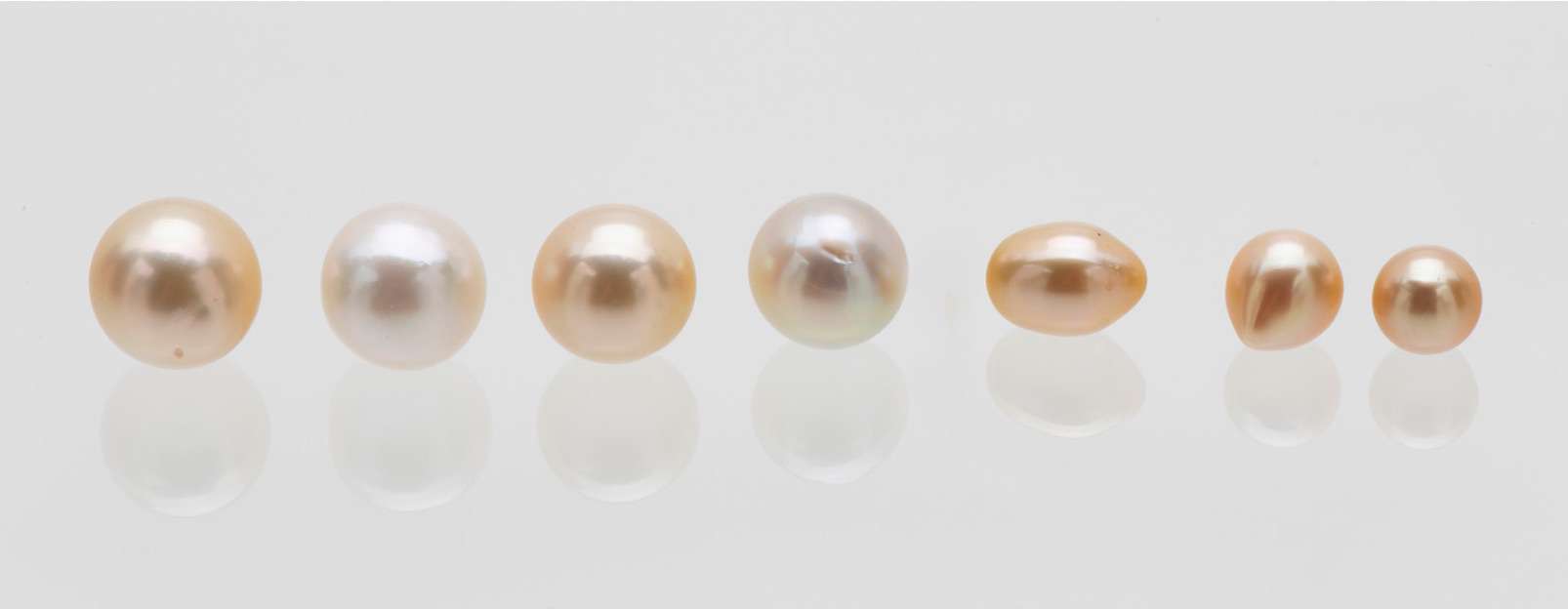
Myanmar Gold-Lipped Cultured Pearls
Myanmar Gold-Lipped Cultured Pearls. IGC 2021 Proceedings, 56-57.
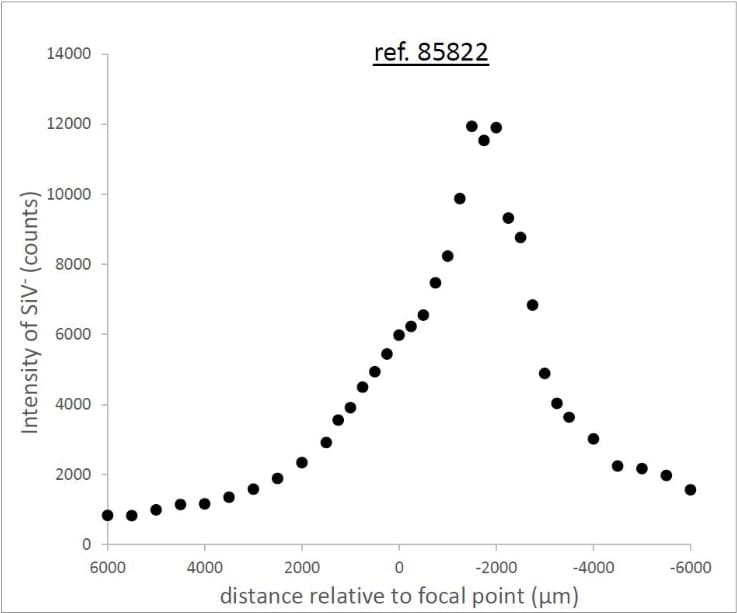
Preliminary study of defocused PL measurements of diamonds
A study of nickel-bearing type Ia diamonds. IGC 2023 Proceedings, 37-39.
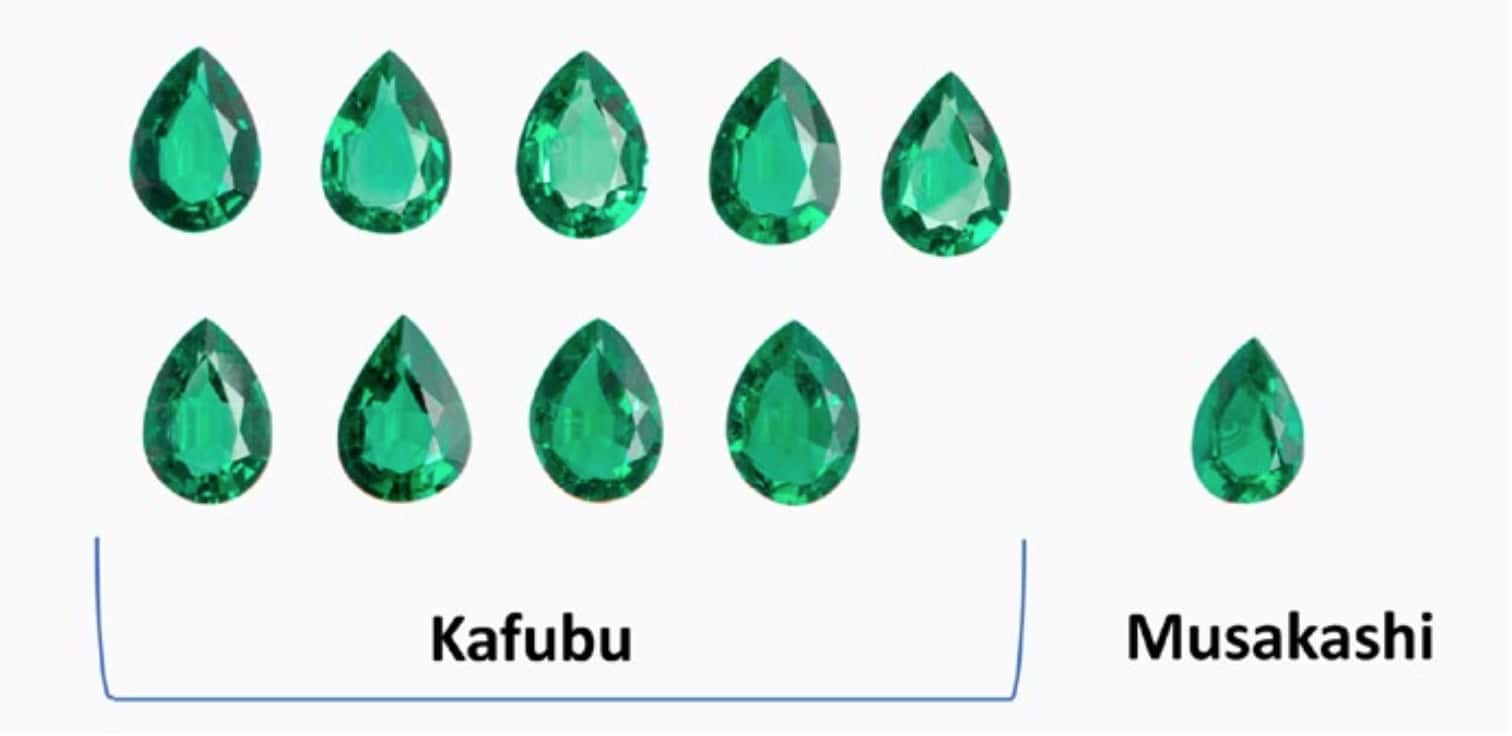
New emeralds from Musakashi, Zambia, appear on the market
New emeralds from Musakashi, Zambia, appear on the market. The Journal of Gemmology, 37(8), 769-771.
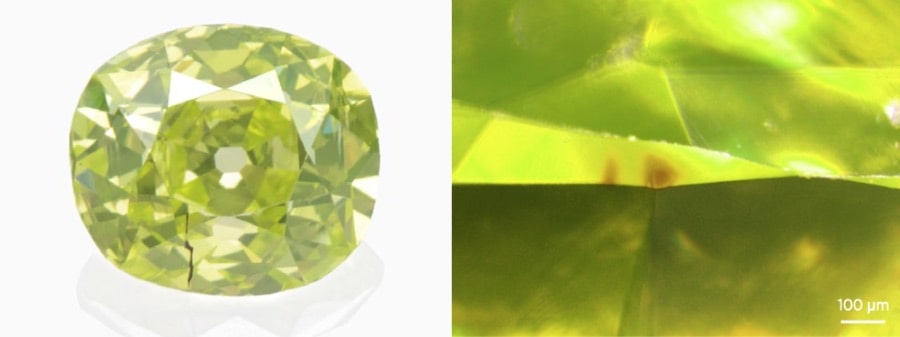
Treated greenish yellow diamond with brown radiation stains
Treated greenish yellow diamond with brown radiation stains. The Journal of Gemmology, 680-683.
Upcoming on-sites: Münich (Oct. 2021) and Geneva (Nov. 2021)
We are pleased to announce that we will be present with on-site testing services in Münich (Germany) during the GemWorld show (22-24 October 2021) and GemGenève from 4 – 7 November 2021 in Geneva (Switzerland). Our booth number in Münich will be: B6.450 Our booth number at GemGenève will be: A39 Pleas
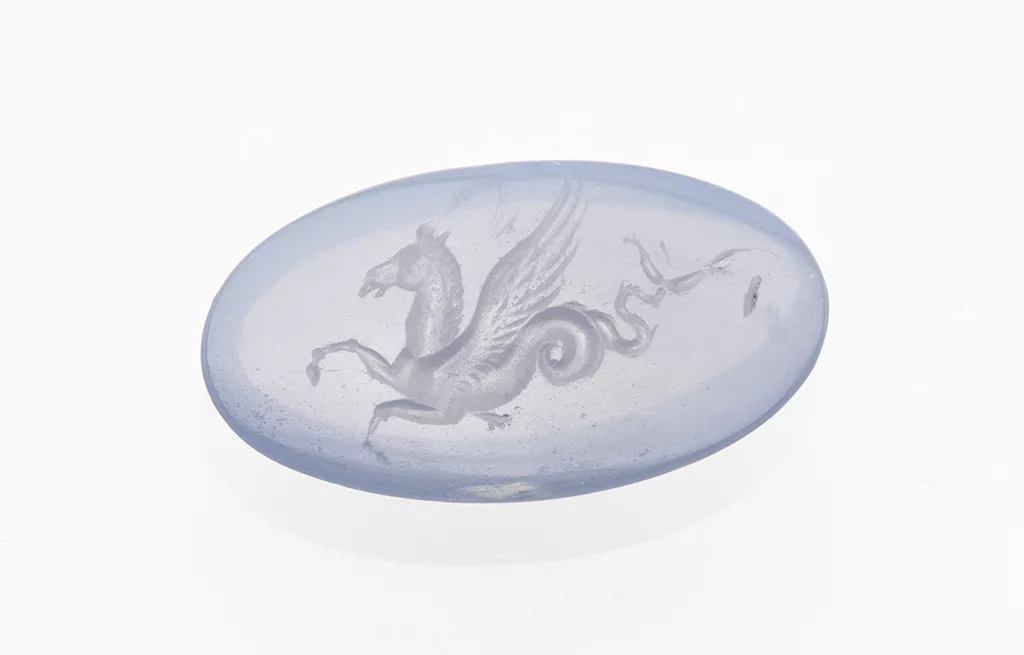
Roman sapphire intaglio
by Dr. M.S. Krzemnicki, first published in Facette 26 (May 2020) In 2019, the Swiss Gemmological Institute SSEF in collaboration with the Istituto Gemmologico Nazionale IGN Rome (Italy) were able to analyse in detail a unique Roman sapphire intaglio (Figure 1), excavated in 1986 in the House of Gemmarius (
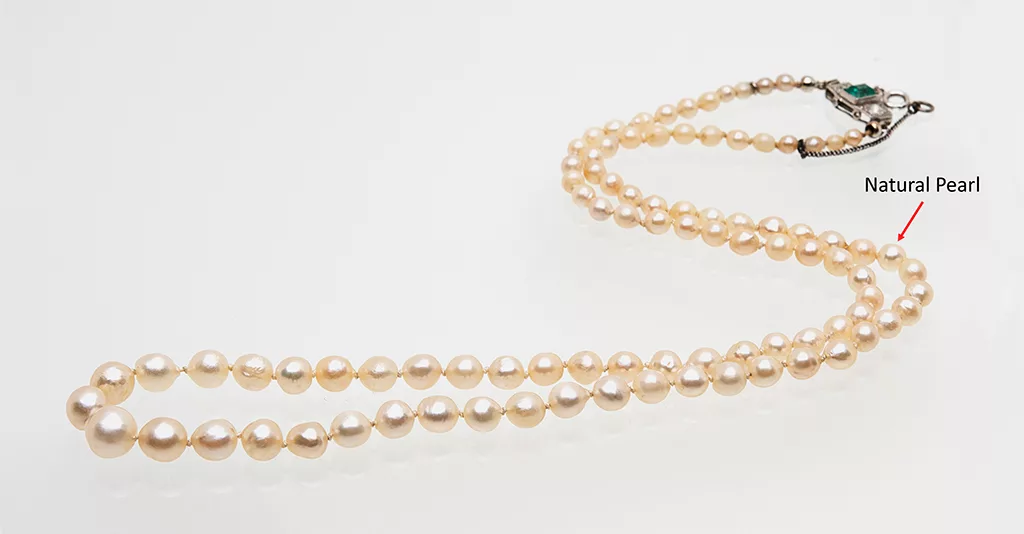
One natural pearl in a cultured pearl necklace
Testing pearl necklaces can be rather painstaking work, as at least two gemmologists at SSEF meticulously and individually check a necklace pearl by pearl, with the aim of finding one (or more) cultured pearl(s) possibly hidden somewhere in the strand. Countless natural pearl necklaces tested at SSEF in the pas
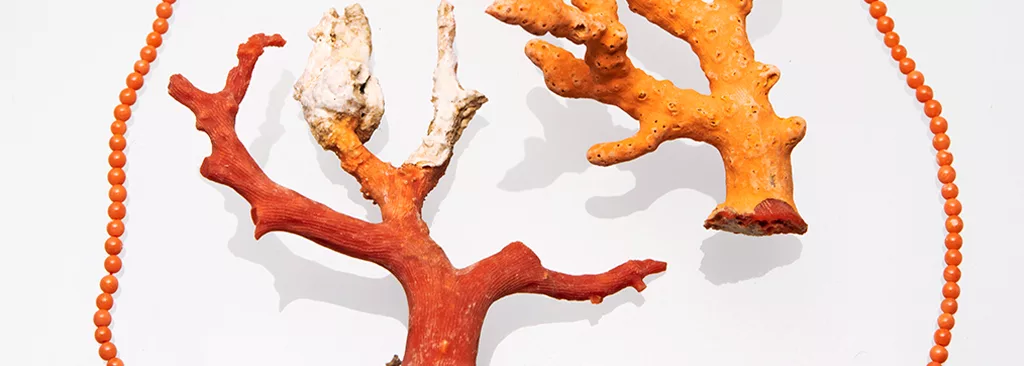
Age dating of coral
by Dr. M.S. Krzemnicki, first published in Facette 26 (May 2020) Since 2017, the Swiss Gemmological Institute SSEF offers radiocarbon dating of pearls as a service. To further expand our knowledge about this method and its applicability to other biogenic gem materials, we were happy to receive a number of smal
Diamonds as a window into the earth
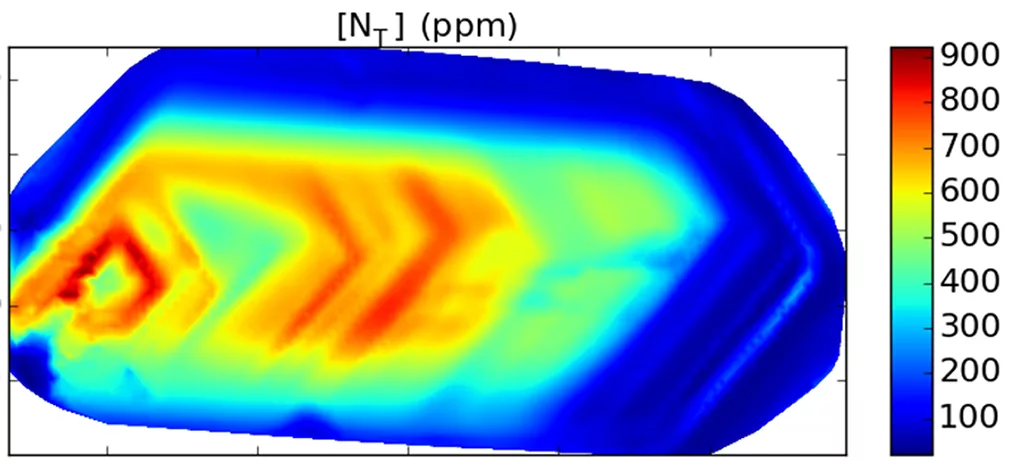
by Dr. L. Speich, first published in Facette 26 (May 2020) Diamond is valuable as a gemstone but it is also a mantle geologist’s best friend because it provides a rare opportunity to study processes that occur deep in the Earth. Most diamonds form in the so-called lithospheric mantle within a fairly narr
New statistical methods for analysis of gemstones
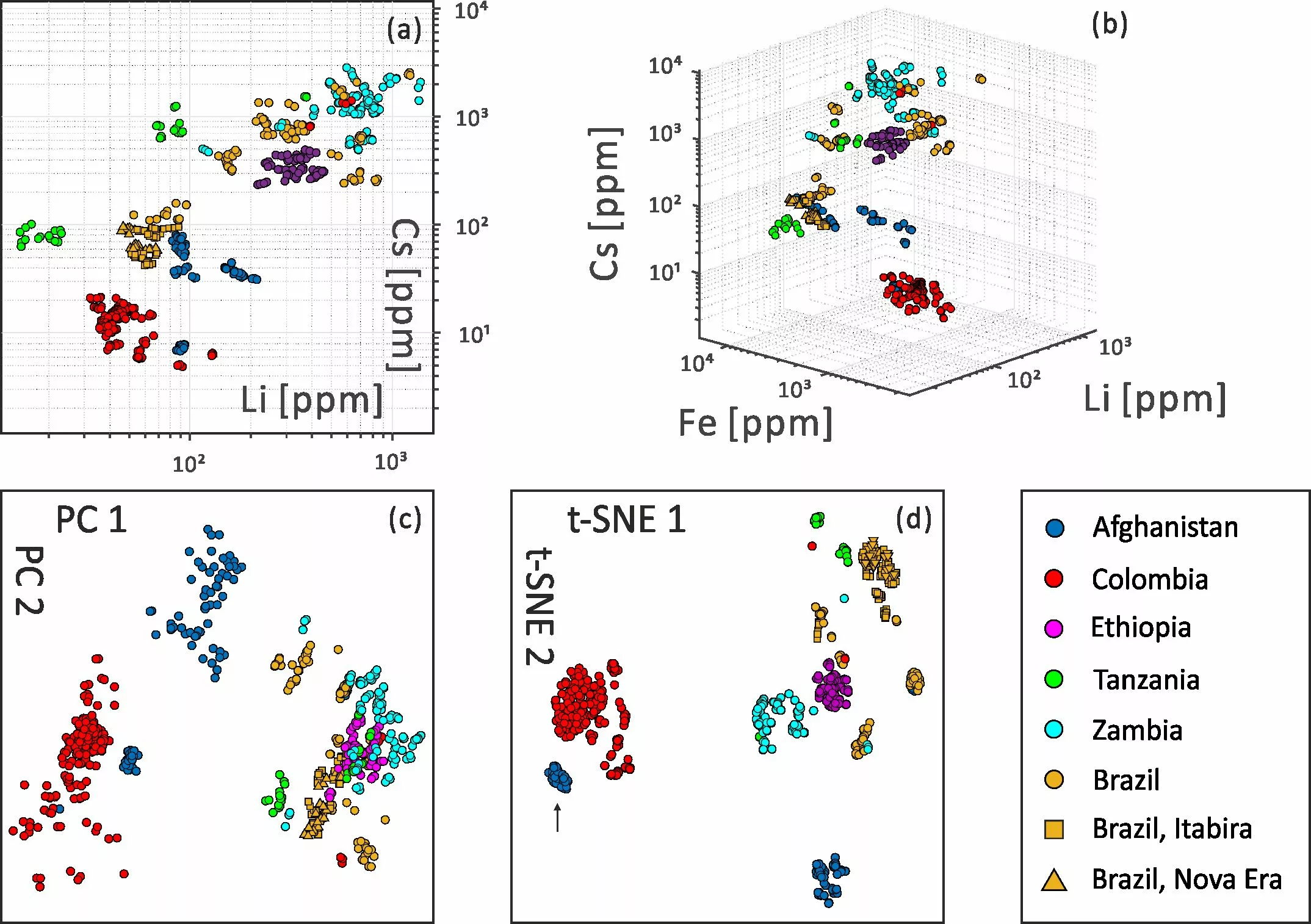
Based on real case studies on sapphire and emerald specimens, we here present how a simultaneous multi-element approach assists origin determination. Instead of pre-defining a list of isotopes in advance, routine analysis of blue sapphires using LA-ICP-TOF-MS detects rarely occurring trace elements such as bery