





Jade, Stone of “Gods”: Terms, Concepts & Certification
Jade, for thousands of years a mythical stone appreciated in the Far East and in the high cultures of Native Americans, is rising high at present as it is sought after at auctions in Hong Kong and elsewhere. However, the term “jade” is quite vaguely defined. Different concepts try to describe the term based
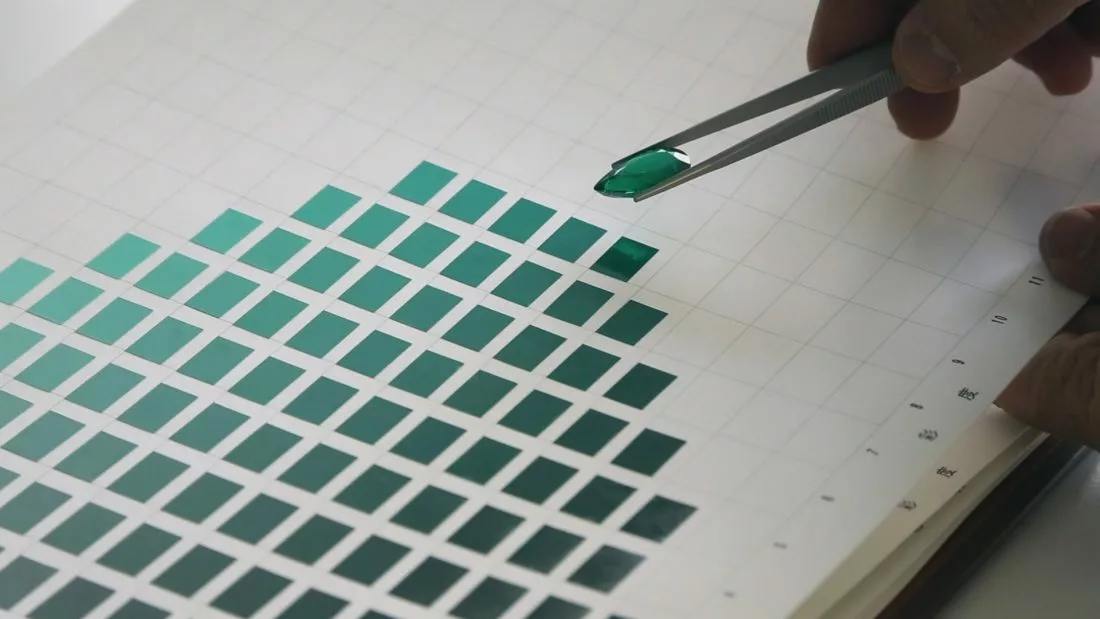
ကျောက်မျက်များ၏ရောင်ကွဲများ နှင့် ၎င်းတို့ကိုဘယ်လိုခွဲခြားသတ်မှတ်မလဲ။
ကျောက်မျက်ရတနာဆိုသည်မှာ သဘာဝအတိုင်းဖြစ်ပေါ်လာတဲ့ တွင်းထွက်တစ်ခုပင် ဖြစ်သည်။ တွင်းထွက်များ၏ အမည်နာမများကို နိ

The Usambara Effect and other colour-change Effects in Gemstones
Colour change in gemstones is an interesting phenomenon, which can be due to a number of reasons. One of the causes is the so called Usambara effect, a type of colour change which is not so well known in the public. In contrast to the alexandrite effect, this phenomenon is not dependent on the type of illuminat
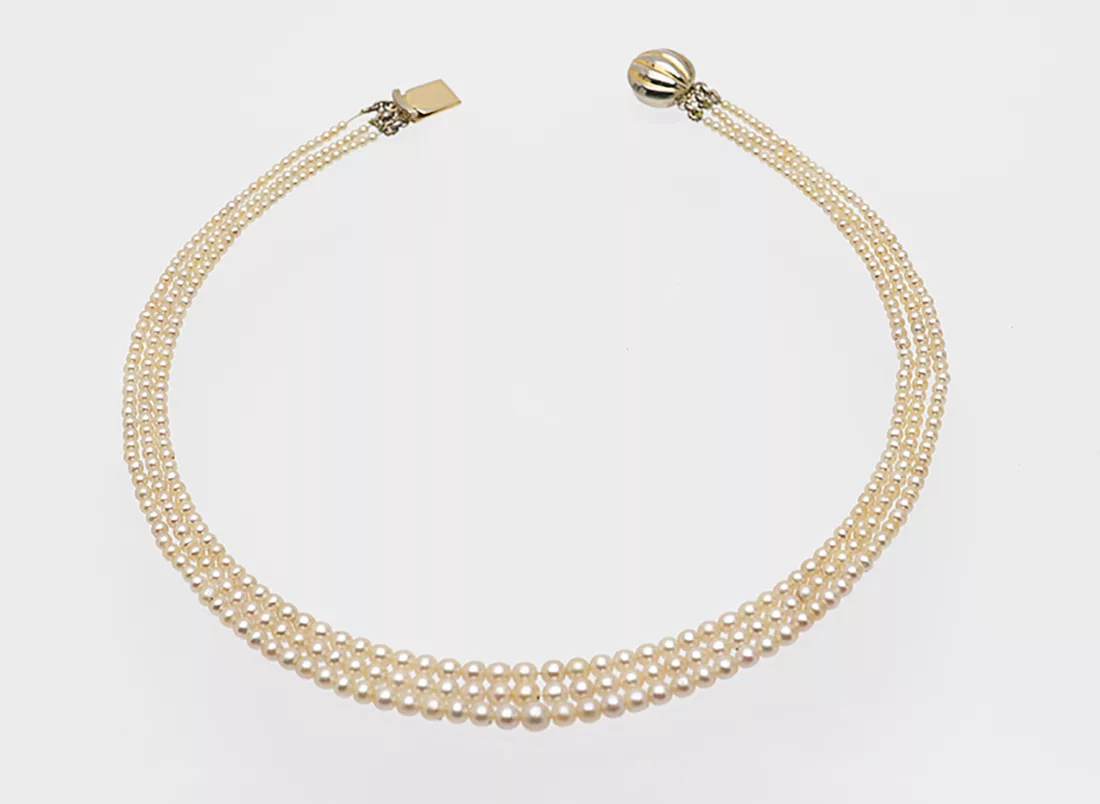
Fake Historic Provenance: ‘Aged ’ Cultured Pearls
Most recently, we received a pearl necklace with 410 pearls strung on three regularly graduated strands. The pearls were characterized by a beautifully matching colour and a fine pearl lustre, reminiscent of ‘classic’ natural pearls from the Arabian Gulf. However, a closer look using X-ray luminescence (SSE

Historic Sapphire of Catherine the Great
SSEF had the pleasure to add to this eclectic (data) collection the famous sapphire of Catherine the Great, a historic gem from Ceylon (Sri Lanka) of exceptional quality and beauty.

The Journey of Ethics ‒ A Review of Responsible Sourcing Developments in the Gem Sector
The Journey of Ethics ‒ A Review of Responsible Sourcing Developments in the Gem Sector. Published in InColor, 2020 Winter, 45, 30-35.
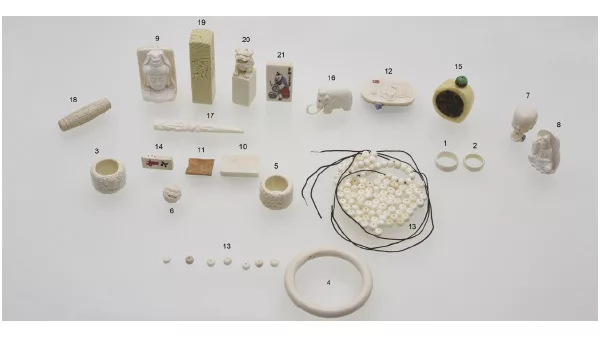
A Case Study of Ivory Species Identification Using a Combination of Morphological, Gemmological and Genetic Methods
A Case Study of Ivory Species Identification: Using a Combination of Morphological, Gemmological and Genetic Methods. Published in Journal of Gemmology, 2020, 37 (3), 282-297.

The Detection of HPHT-treatment of Diamonds at SSEF: 20 Years later
In 2000, SSEF announced that it was able to identify the HPHT treatment of type II diamonds. About 20 years later, this article summarizes how we were able to achieve this breakthrough and which people from the trade and other research institutions were involved in this important step.

SSEF introducing new service using DNA fingerprinting technology that finally enables identification of pearl species
The Swiss Gemmological Institute SSEF is introducing a new service to support the documentation of the origin and provenance of pearls, in partnership with the Institute of Forensic Medicine at the University of Zurich. It is made possible by a substantial expansion of the organisation’s DNA fingerprinting re