




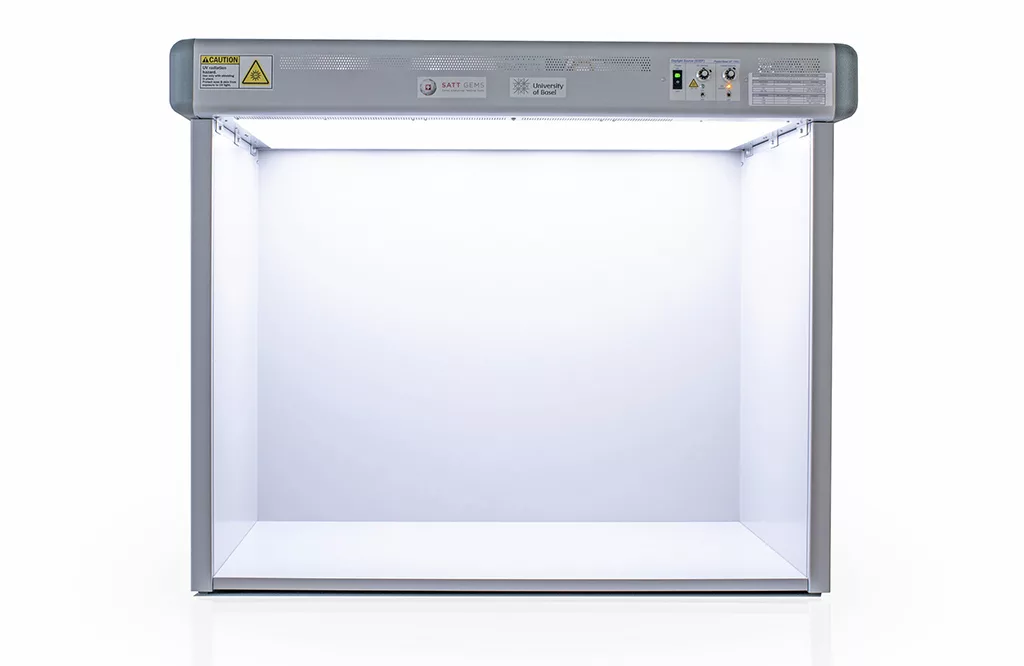
A new led daylight source for diamond colour grading
In 2020, a novel light source for the colour grading of diamonds was developed in a collaboration between SSEF and the Department of Physics, University of Basel (see Figure 1). In contrast to many of the models on the market, the new light source uses state-of-the-art LED (Light Emitting Diode) lights instead
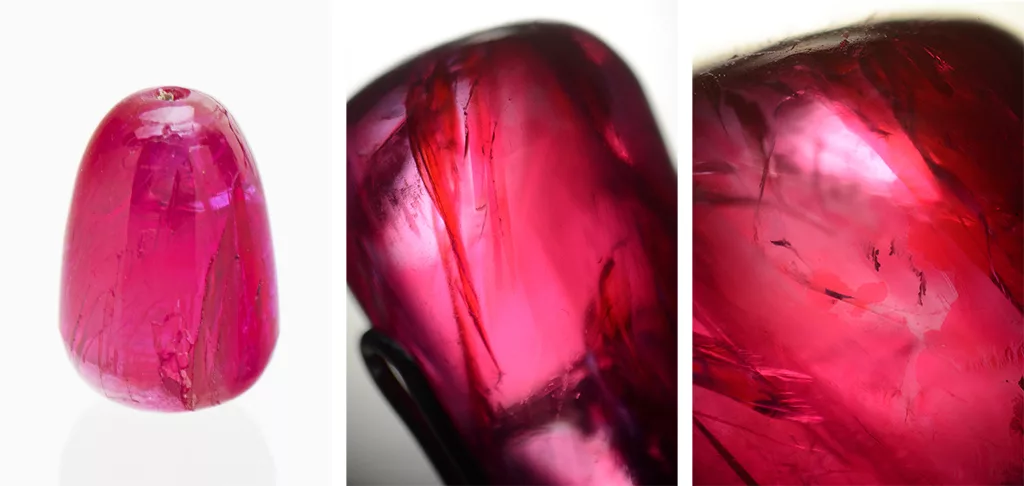
Dyed corundum from Burma
by Dr. M.S. Krzemnicki, first published in Facette 27 (June 2021) It cannot be repeated often enough: any gemstone which contains fissures is prone to be treated with fissure filling substances, either by using a colourless or coloured substances (e.g. oil). Even when the stone comes from a famed mini
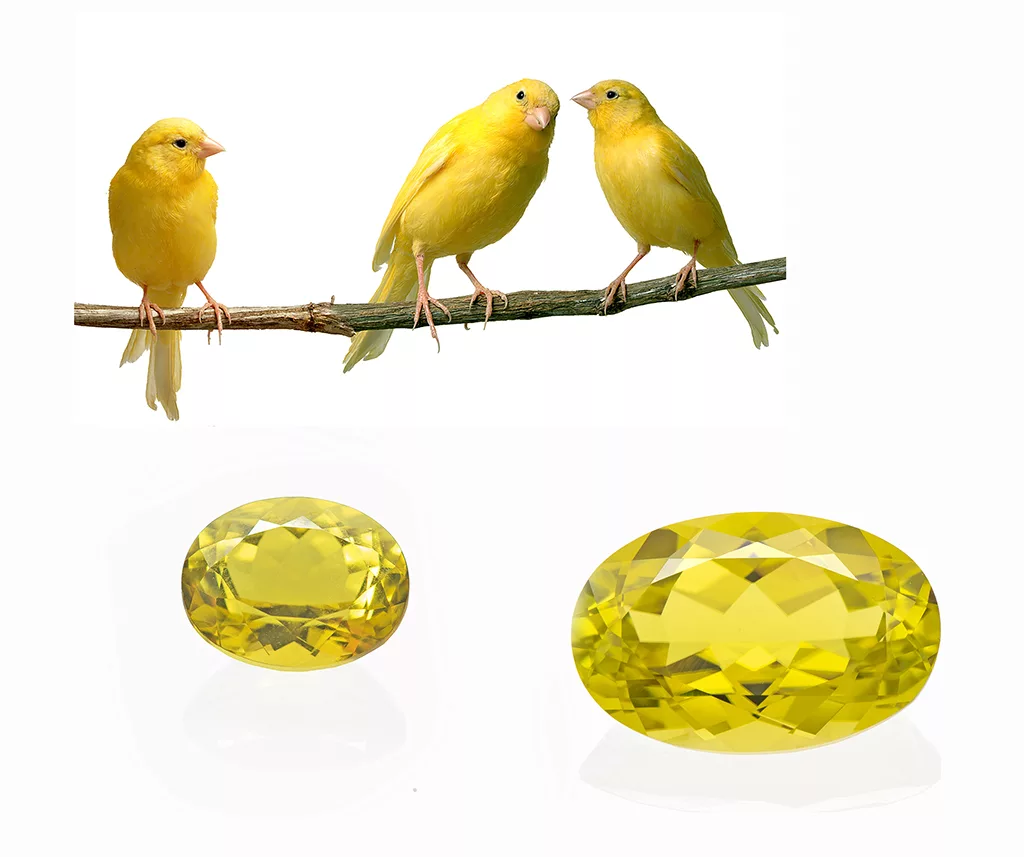
Canary tourmaline from Zambia
by Dr. M.S. Krzemnicki, first published in Facette 27 (June 2021) Tourmaline is a mineral group of complex boro-silicates and is well known to produce gemstones in a wide range of beautiful colours. A specifically attractive variety is vivid yellow elbaite tourmaline, which owes its colour to manganes
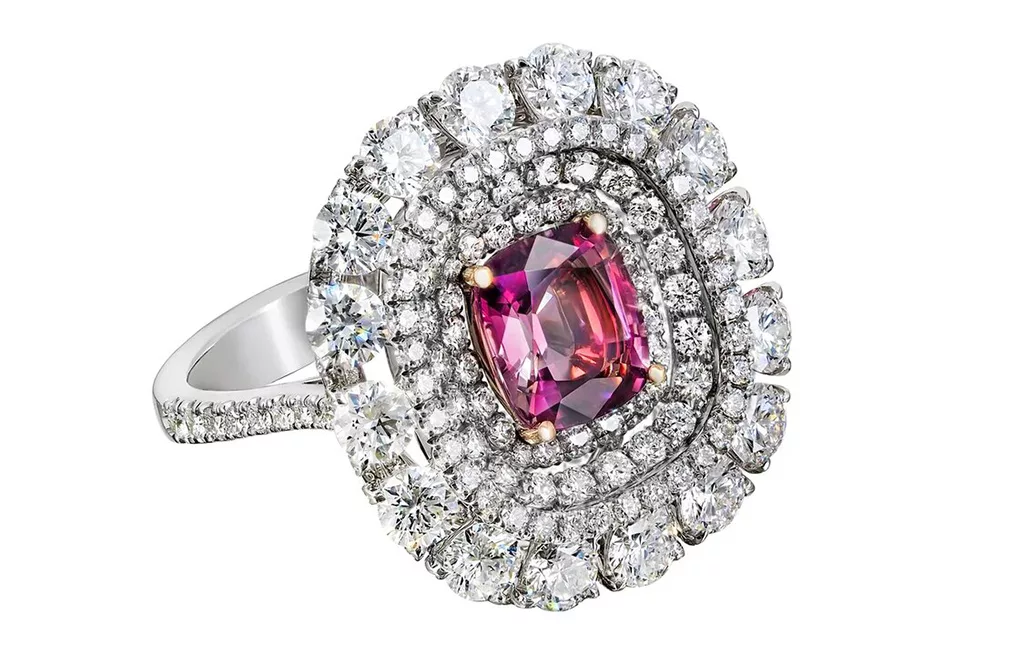
A gemmologist’s delight: poudretteite, musgravite, taaffeite, and grandidierite
by Dr. M.S. Krzemnicki, first published in Facette 27 (June 2021) In recent months, the SSEF received again a number of very rare collector stones for testing. These included poudretteite, musgravite, taaffeite, and grandidierite of exceptional quality. Poudretteite, ideally KNa2B3Si12O30, is a very r
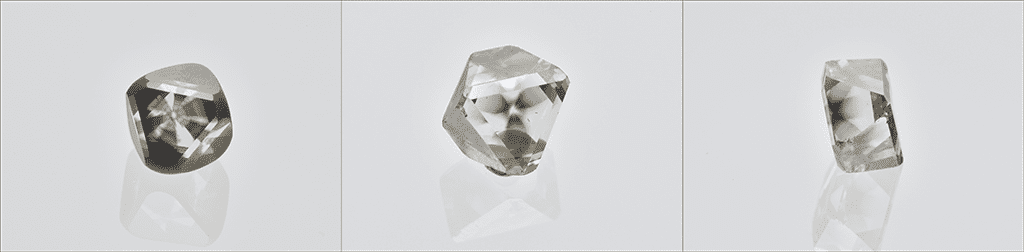
Two exceptional asteriated diamonds
by Dr. L. Speich & J.-P. Chalain, first published in Facette 27 (June 2021) Recently, SSEF received two so-called asteriated diamonds for authentication. Asteriated diamonds are rare and highly prized amongst collectors for their beautiful and unique appearance. The two stones received in our lab
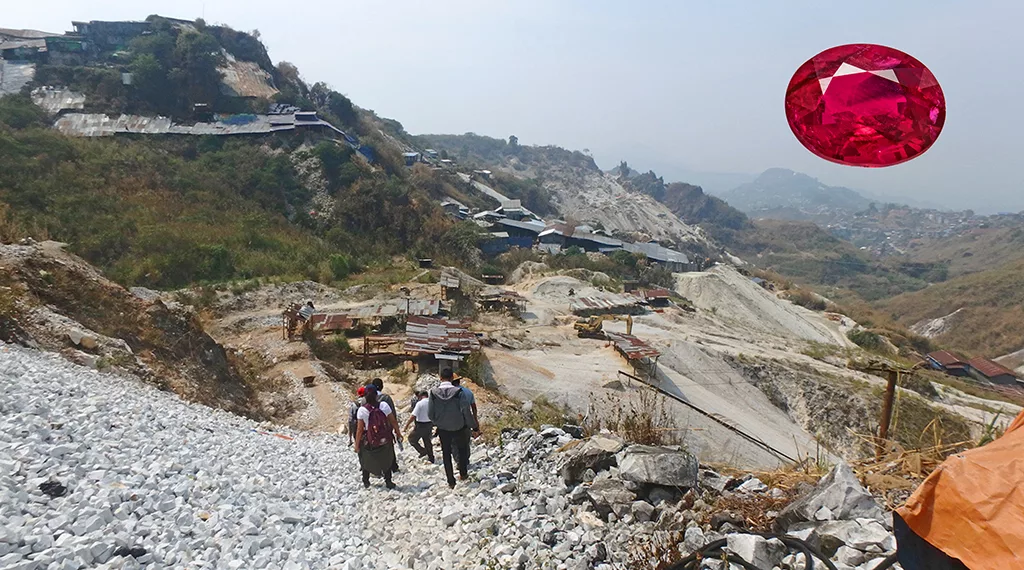
Heated ruby from Mong Hsu (Myanmar) with blue zone
Rubies from Mong Hsu, located about 250 km southeast of the Mogok Stone Tract, entered the gem trade in the early 1990s. Since this time the Mong Hsu mines remain an important source for Burmese rubies, specifically for stones of smaller sizes (2 ct and below).
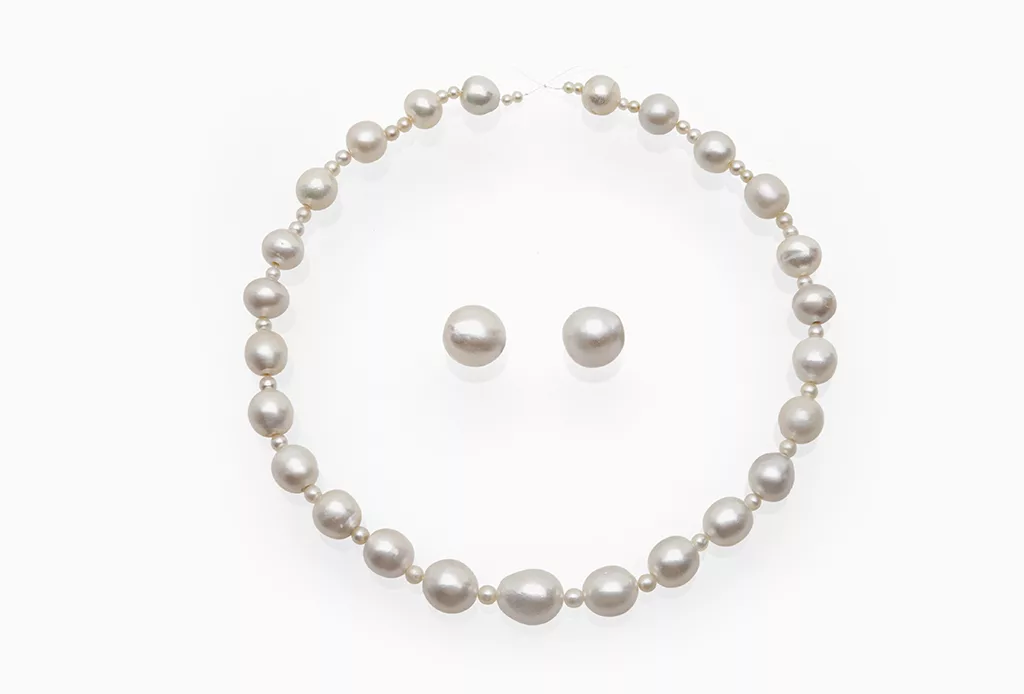
New pearl oyster species: pinctada persica
We recently tested a pearl jewellery set that consisted of 63 natural pearls, with 61 of them being strung on a thread and two additional loose natural pearls. To our knowledge, this is the first time that pearls from Pinctada persica have been reported.
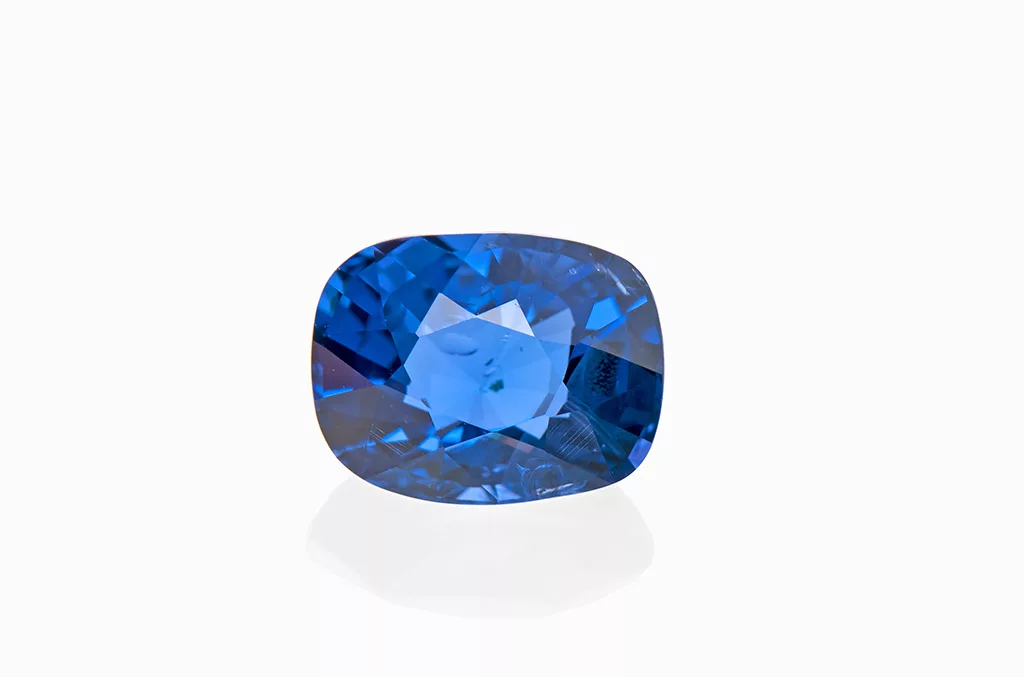
Age dating of cobalt spinel
Radiometric U-Pb dating is a promising tool in gemstone testing and is used at SSEF as an advanced analytical procedure since several years. However, this method is usually only applicable when the gemstone presents sufficient traces of radiogenic elements either in its crystal structure or within a solid inclu
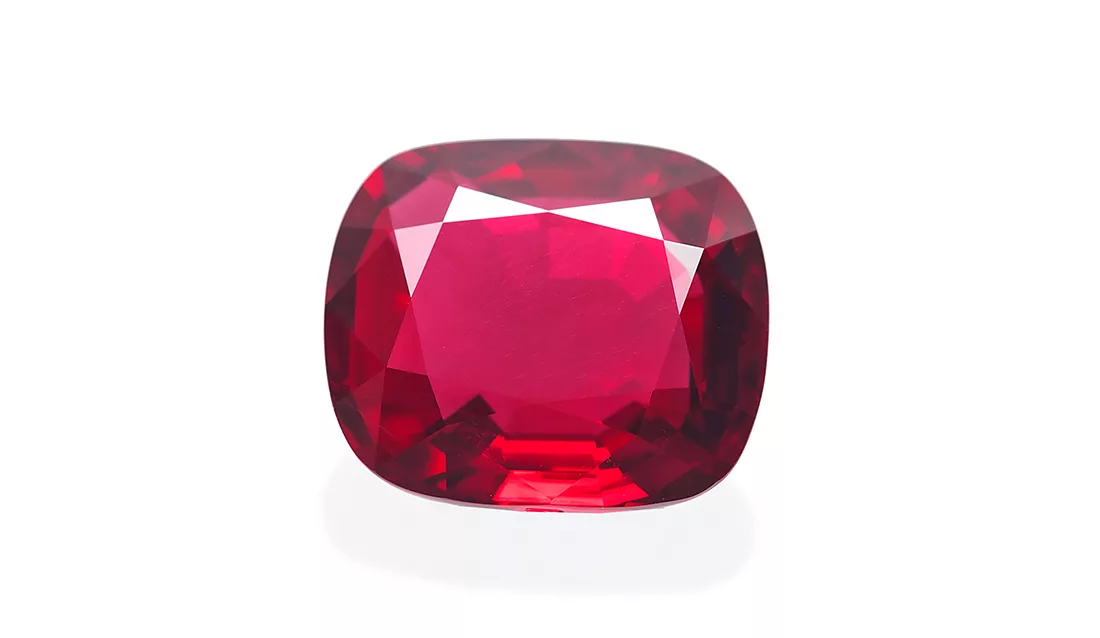
New additional test at SSEF for the colour stability of rubies
In light of information gathered over the past few months, we have now added rubies to this colour stability testing protocol, specifically but not limited to rubies originating from Mozambique.
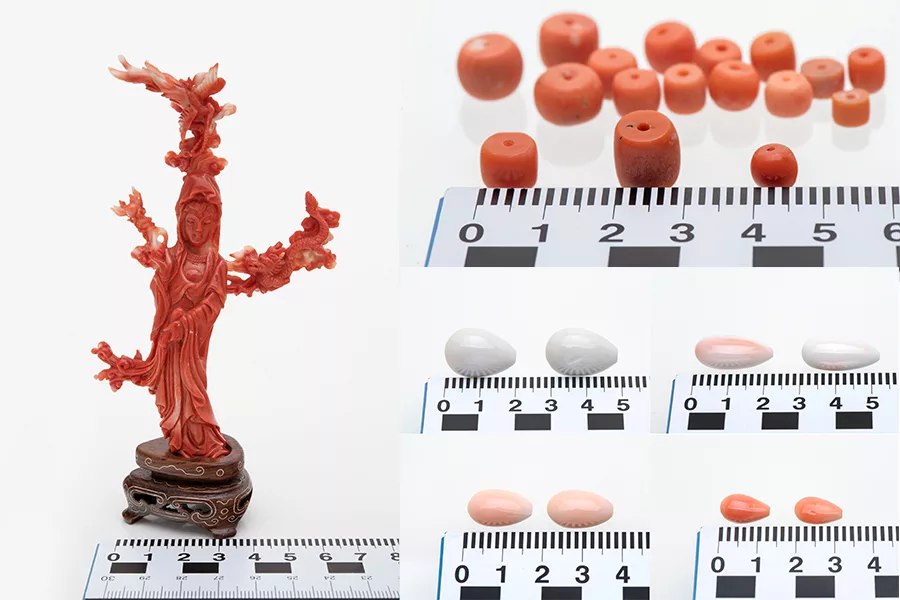
Scientists report breakthrough in precious coral traceability using novel genetic-testing method on samples seized by customs
BASEL, SWITZERLAND: FEBRUARY 14, 2022 – An international research group led by scientists from the Swiss Gemmological Institute SSEF and the University of Zurich’s Institute of Forensic Medicine (IRM) has reported a breakthrough in precious coral jewellery traceability, through the use of a novel forensical