





A descriptive study on as-grown and HPHT-treated CVD synthetic diamonds
The Swiss Gemmological Institute is testing more than one million colourless melee diamonds for the Swiss watch and jewellery industry on an annual basis to guarantee that no synthetic diamonds are mixed within natural melee diamond batches.

SSEF jewellery collection: a brooch by René Boivin (1944)
In 2022 the SSEF began its project of establishing a jewellery collection illustrating the history of jewellery to accompany the Advanced History of Jewellery Course held at SSEF (next taking place July 15-19 2024 in Basel). I was thrilled by this visionary approach – and grateful for this unique opportunity
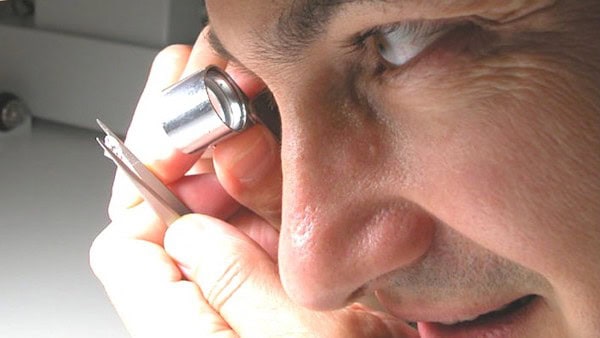
Jean-Pierre Chalain: over 3 decades of diamonds at SSEF
On March 31st 2024, Jean-Pierre Chalain – director of SSEF’s diamond department- retired from SSEF and handed over the diamond department to Dr. Michael Mintrone and his team.

Led light boxes for standardized lighting of coloured stones and diamonds
In the past, coloured gemstones and diamonds were often examined in natural daylight, but reproducing such specific lighting conditions was challenging. Some impractical methods had been suggested, like grading only during specific hours or facing northward, especially during cloudy weather.
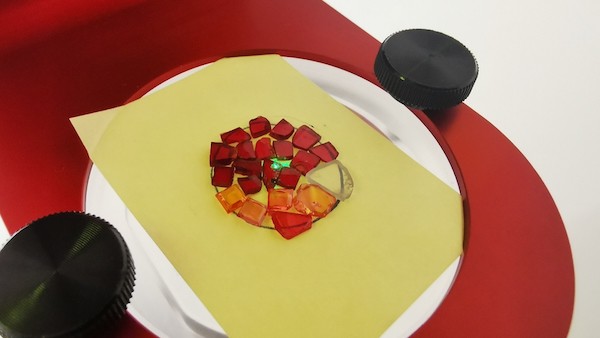
At the frontier of research: irradiation experiments on corundum
As is known in the gem trade, the colour of certain gems may be caused or influenced by the presence of colour centres (a type of defect in the crystal structure that can absorb light and thus result in colour, that can be present both in stable or unstable form).
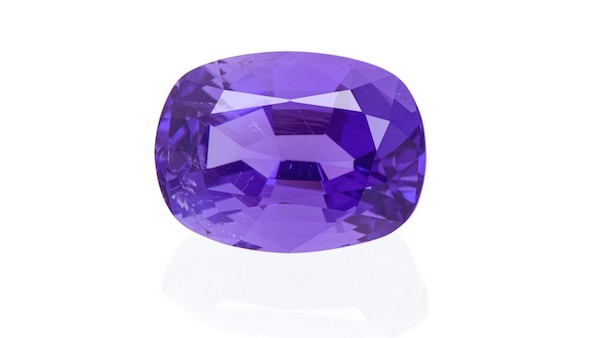
Purple love
It is always a pleasure for our team to analyse gemstones which are not so common, or sometimes even very rare, but which may compete in beauty and quality (but often not in hardness) with the most prestigious classic gemstones.
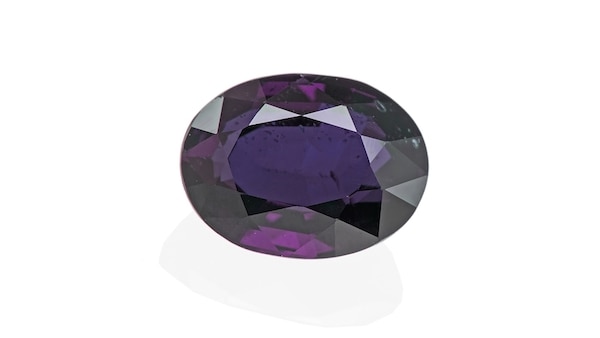
Dark purple chrysoberyl
Since about three years, we see at SSEF occasionally chrysoberyl samples of very dark purplish to purplish brown colour, sometimes of quite impressive size (>10 ct). Based on chemical composition, these chrysoberyls show distinct concentration of chromium, but no evident change of colour, thus do not fit the cr
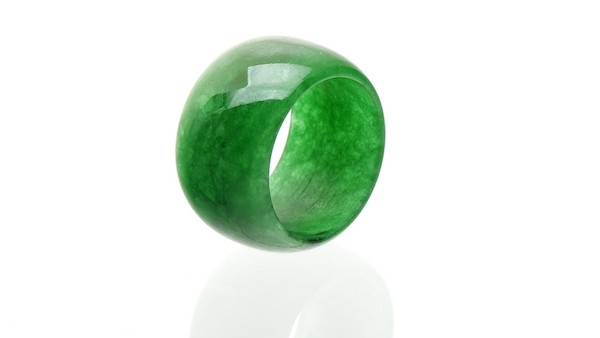
Jadeite: impregnated and dyed
Jadeite-jade of saturated emerald green colour is highly valued in Asia. It is therefore not astonishing to see in the market either heavily treated jadeite-jade or even imitations made of different minerals which pretend to be fine quality jadeite-jade of “Imperial green” colour.
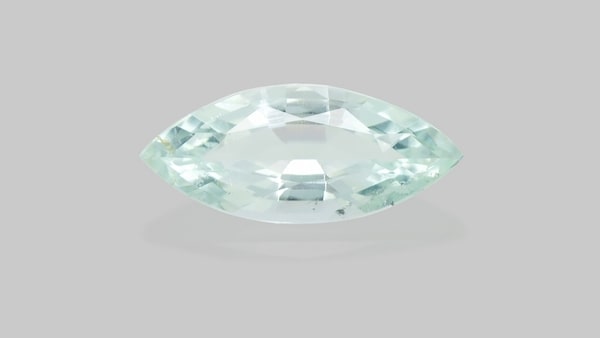
Saturation too low for Paraiba tourmaline
Copper-bearing tourmaline, also known as Paraiba tourmaline in the trade, may come in a range of colours from blue to green. Similarly, the colour saturation of such copper-bearing tourmalines may vary largely, from saturated and vibrant – also known as “electric” or “neon” – to very light coloured.
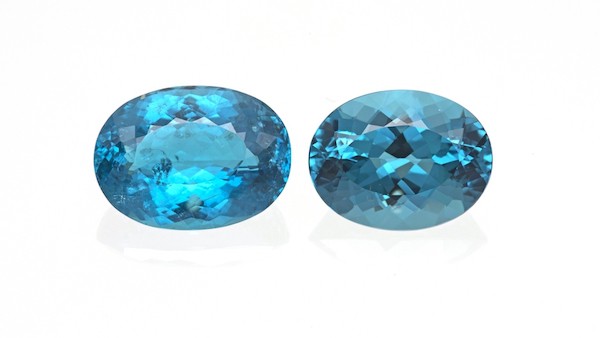
A perfect match: Paraiba tourmaline and Indicolite tourmaline
A few months ago, a client submitted to SSEF two tourmalines of attractive and matching shape, size and colour, both supposedly being Paraiba tourmalines (Figure 1). Chemical analyses and absorption spectra (UV-Vis-NIR) quickly revealed that their composition and colour cause was much less matching than their v