




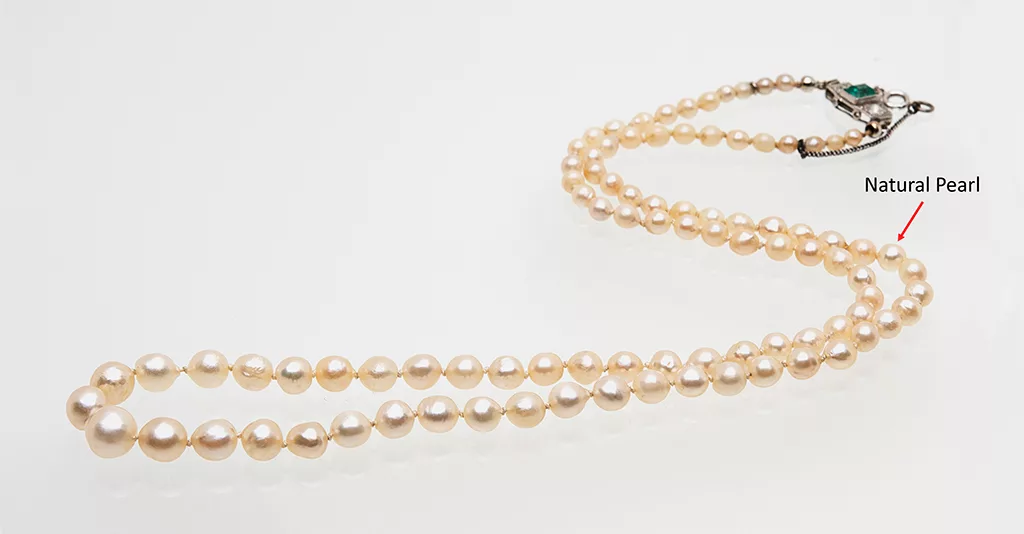
One natural pearl in a cultured pearl necklace
Testing pearl necklaces can be rather painstaking work, as at least two gemmologists at SSEF meticulously and individually check a necklace pearl by pearl, with the aim of finding one (or more) cultured pearl(s) possibly hidden somewhere in the strand. Countless natural pearl necklaces tested at SSEF in the pas
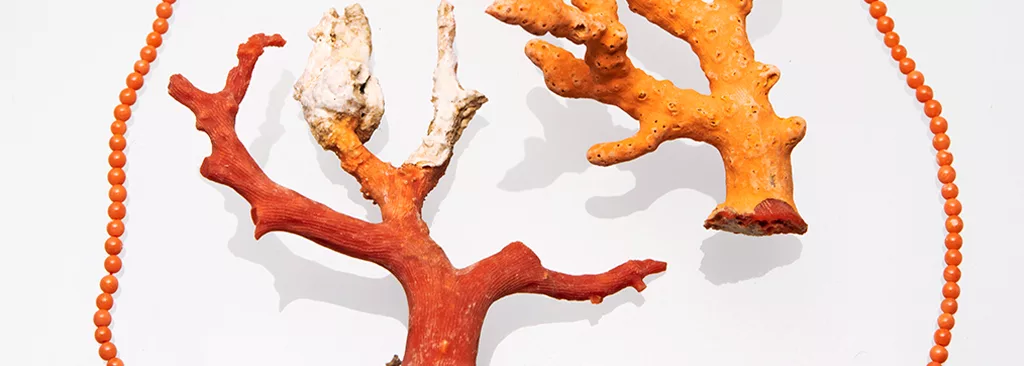
Age dating of coral
by Dr. M.S. Krzemnicki, first published in Facette 26 (May 2020) Since 2017, the Swiss Gemmological Institute SSEF offers radiocarbon dating of pearls as a service. To further expand our knowledge about this method and its applicability to other biogenic gem materials, we were happy to receive a number of smal
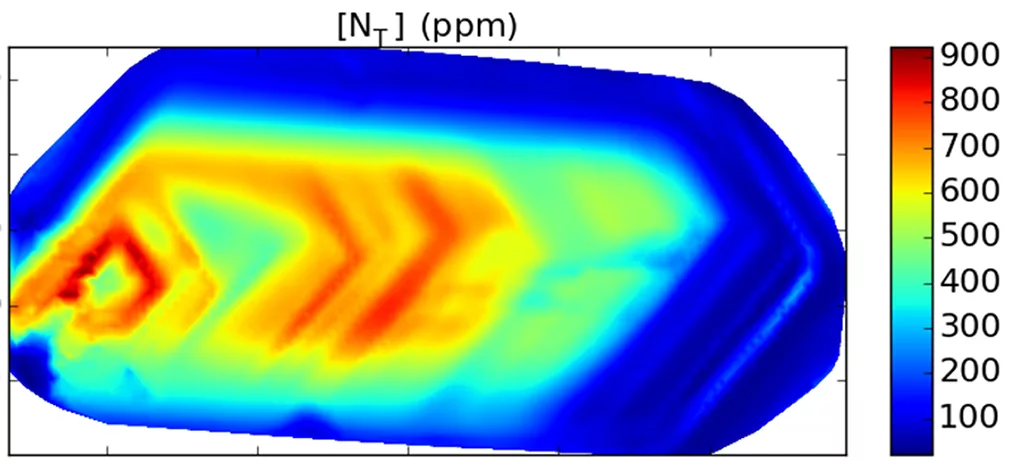
Diamonds as a window into the earth
by Dr. L. Speich, first published in Facette 26 (May 2020) Diamond is valuable as a gemstone but it is also a mantle geologist’s best friend because it provides a rare opportunity to study processes that occur deep in the Earth. Most diamonds form in the so-called lithospheric mantle within a fairly narr
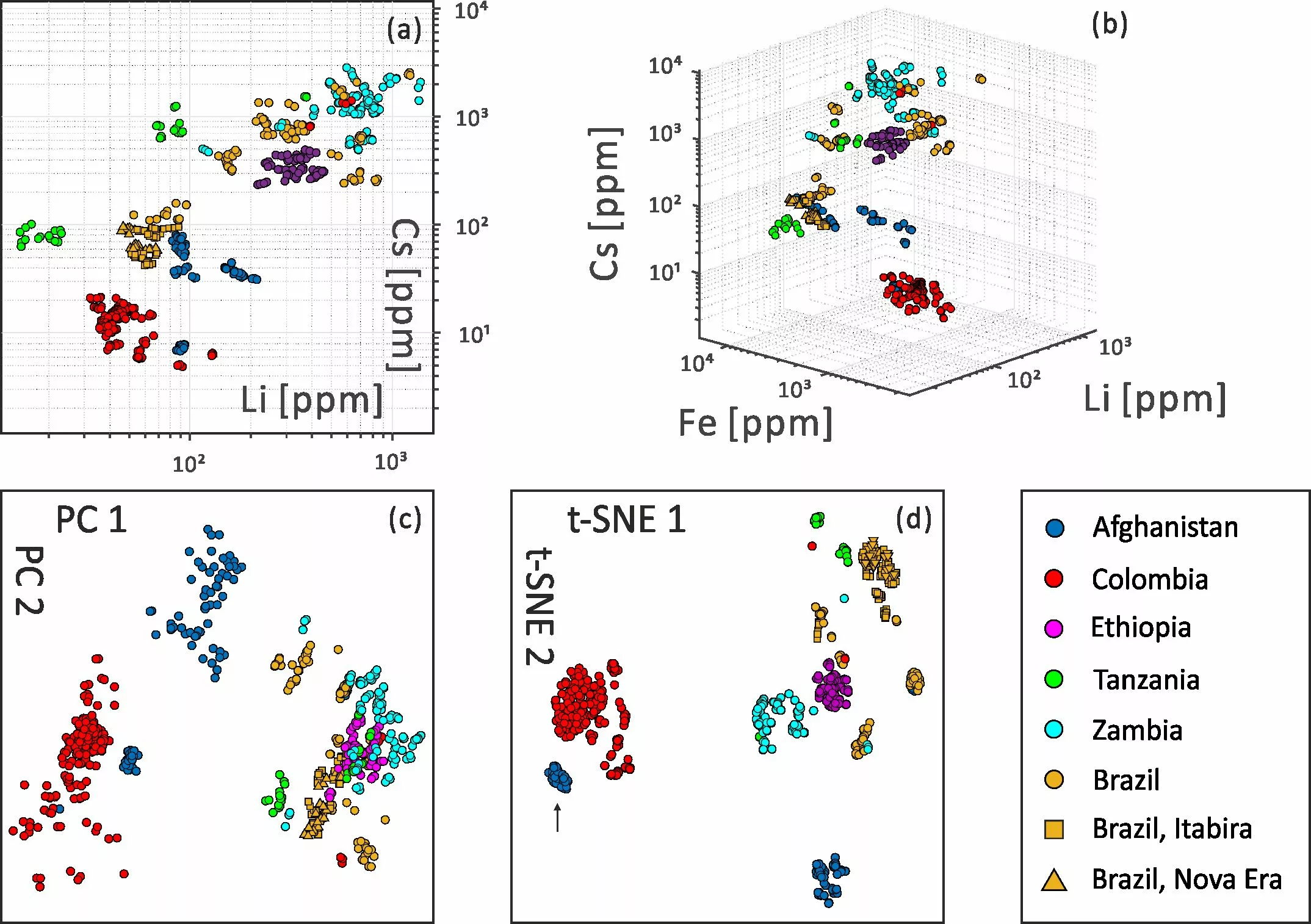
New statistical methods for analysis of gemstones
Based on real case studies on sapphire and emerald specimens, we here present how a simultaneous multi-element approach assists origin determination. Instead of pre-defining a list of isotopes in advance, routine analysis of blue sapphires using LA-ICP-TOF-MS detects rarely occurring trace elements such as bery
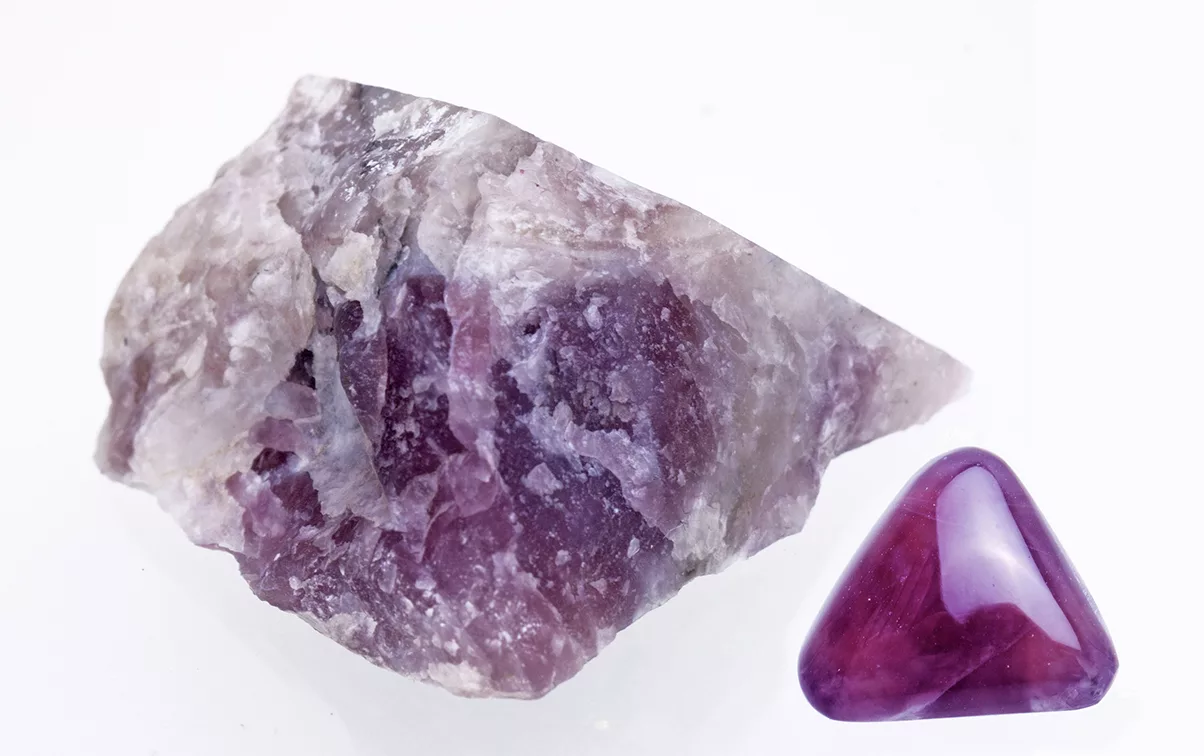
Deep purple vesuviatine from Pakistan
by Prof. H.A. Hänni, first published in Facette 26 (May 2020) stan has a number of gemstone deposits that are related to the collision of the Indian continent with the Eurasian plate, a consequence of global plate tectonic movements. The gem-producing areas lie in a thrust zone known as Karakorum Suture Zone.
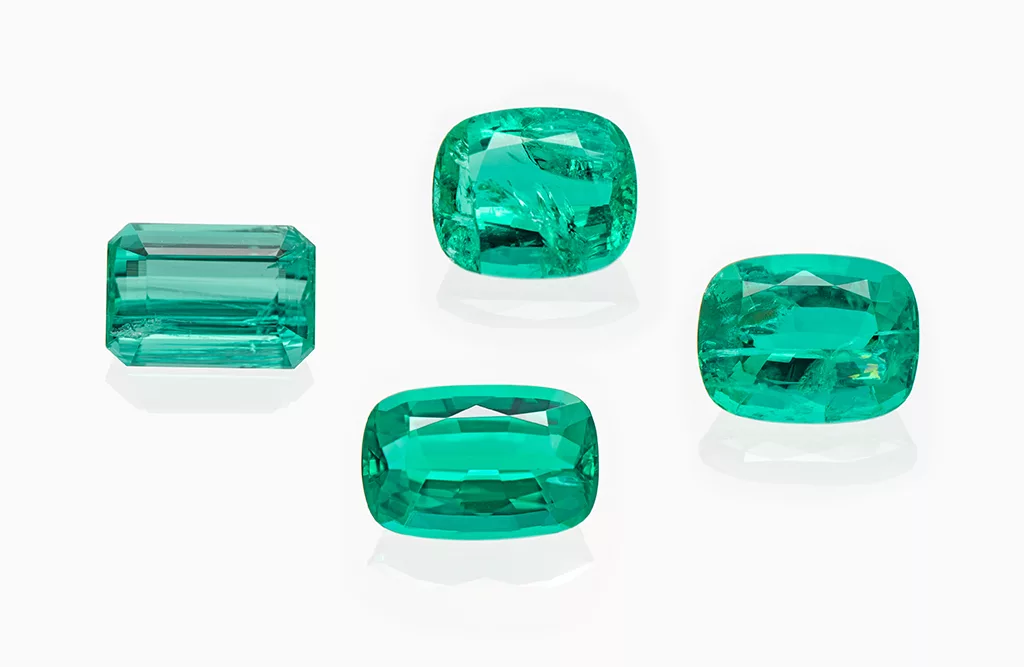
Emeralds from Riverina, Australia
In early 2019, an Australian client submitted a small series of gem- quality light green emeralds ranging from 2.01 – 5.80 ct in weight, which reportedly originated from the same rough crystal from the Riverina deposit in Western Australia (Figure 1). Known since the late 1970s (Whitfield, 1975), this deposit
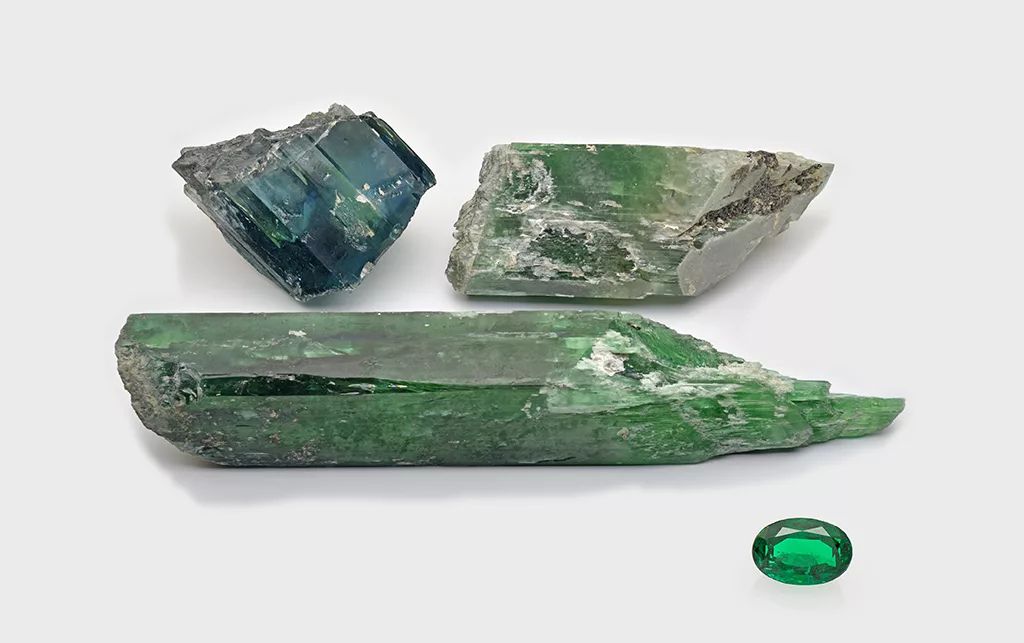
Green spodumene sold as emerald imitation
Spodumene crystals (longest item about 50 cm long and 5.9 kg heavy) submitted to SSEF as new 'emeralds' from Pakistan shown here together with a faceted emerald from Pakistan
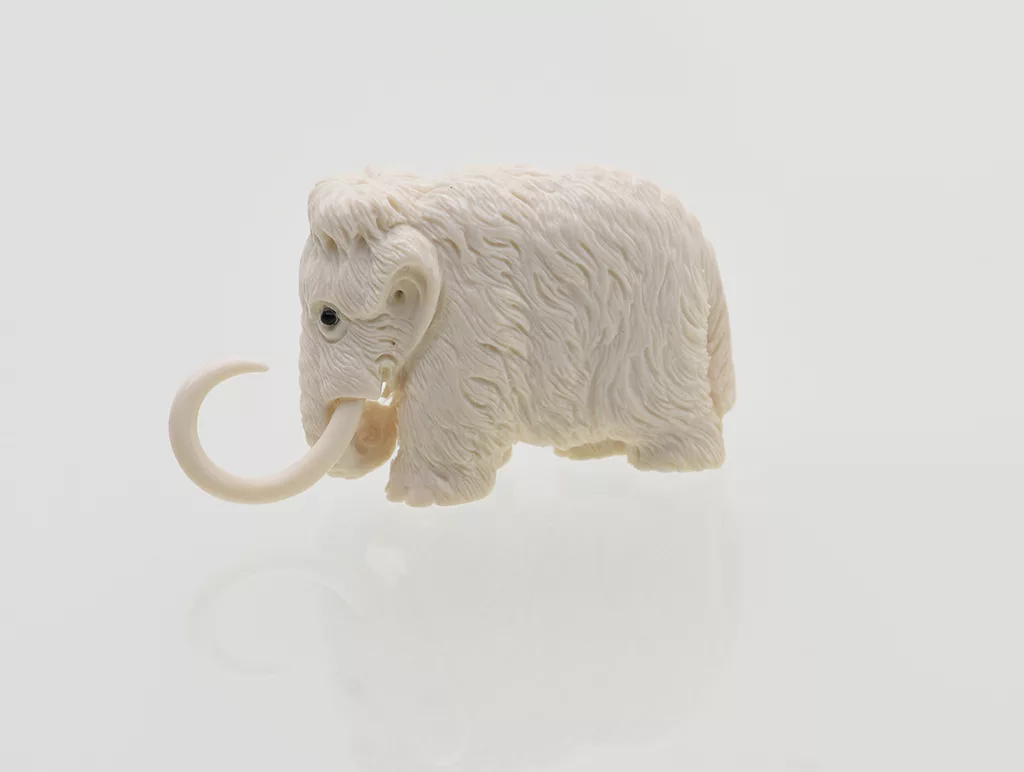
Genetic identification of ivory species: research and testing
DNA fingerprinting of ivory involves a scientific method that can provide valuable information about the species of ivory being used in jewellery and ornamental objects, in order to determine whether it is CITES- listed elephant ivory or non-listed mammoth ivory. DNA fingerprinting, together with a morphologica
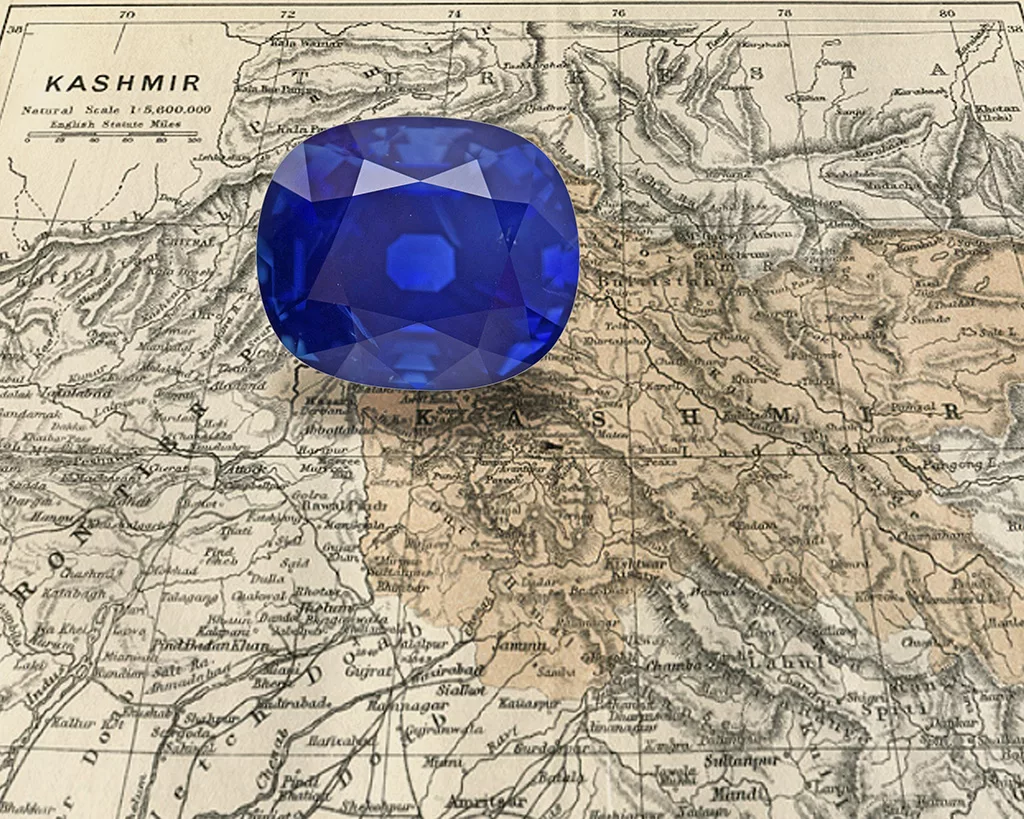
Age dating as a testing procedure for gemstones and biogenic gems
by Dr. M.S. Krzemnicki, first published in Facette 26 (May 2020) Radiometric age dating is a well-established method in geochronology (Earth sciences) and archaeology. There are numerous studies highlighting the use of radioactive decay of U-Pb, K-Ar (amongst many others) for geological age dating and radiocar
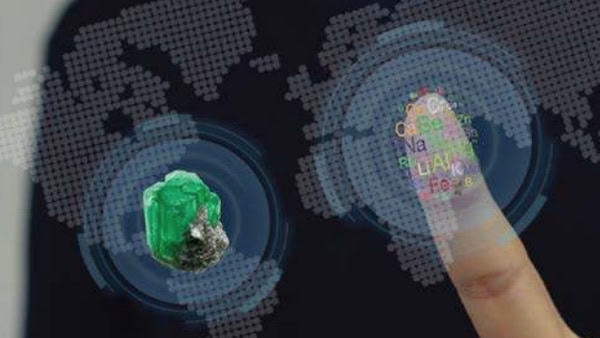
SSEF introduces machine learning algorithm for data visualization
by Dr. H.A.O. Wang, first published in Facette 21 (June 2021) In January 2021, the Swiss Gemmological Institute SSEF published a scientific article in the Journal of Analytical Atomic Spectrometry (Figure 1) about multi-element analysis of gemstones and machine-learning-assisted data visualization, with a part