




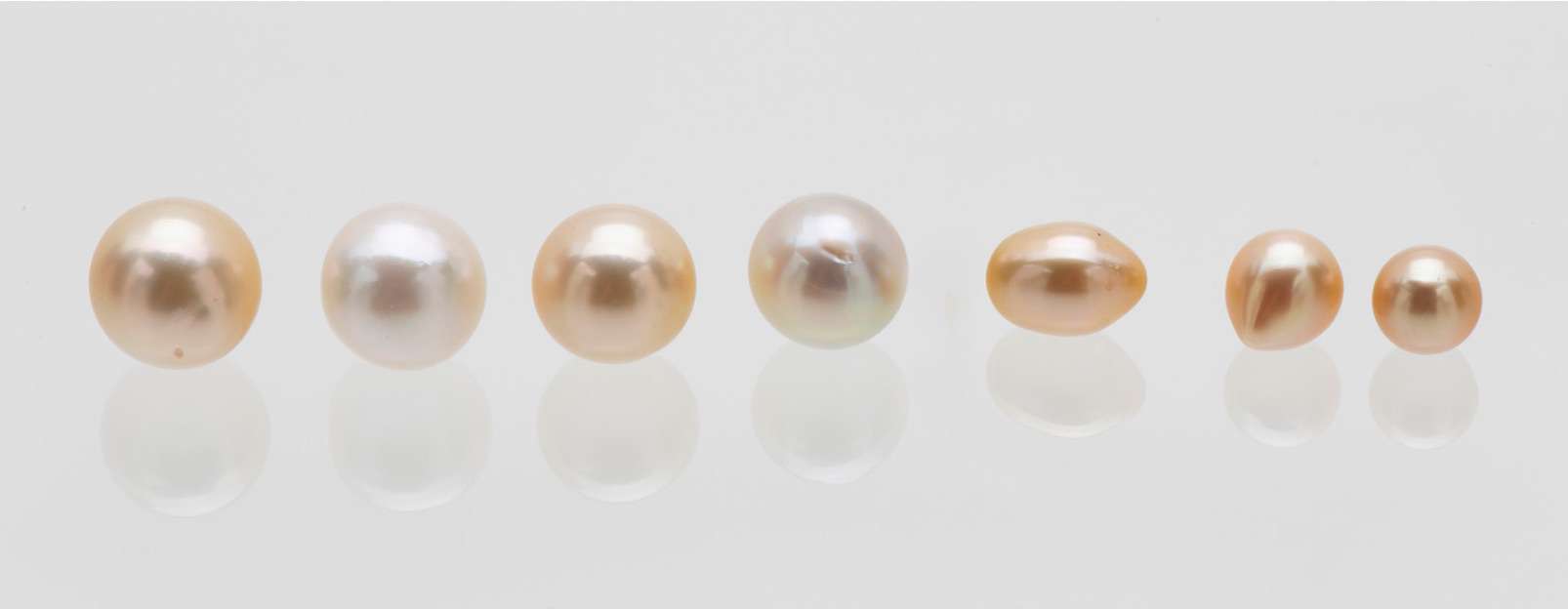
Myanmar Gold-Lipped Cultured Pearls
Myanmar Gold-Lipped Cultured Pearls. IGC 2021 Proceedin […]
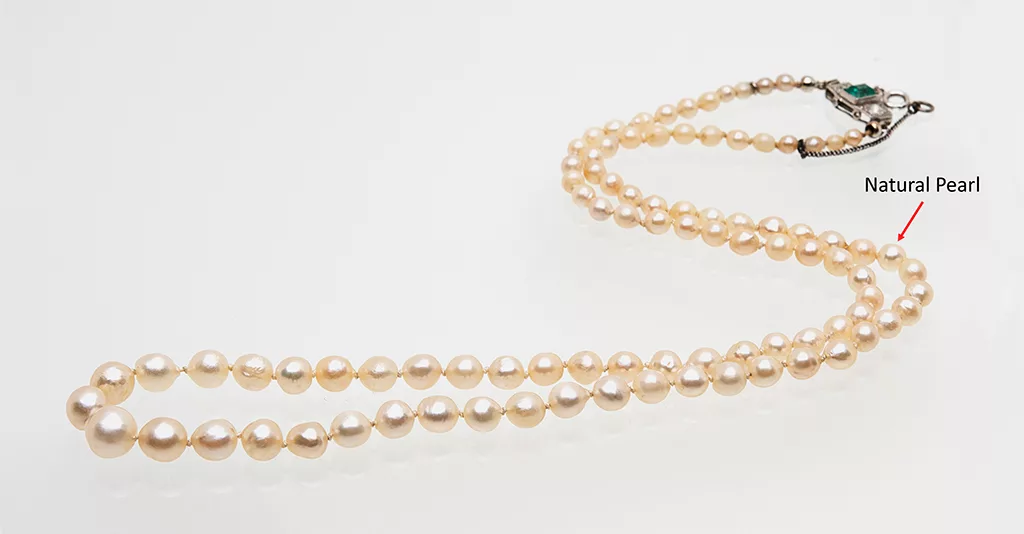
One natural pearl in a cultured pearl necklace
Testing pearl necklaces can be rather painstaking work, […]
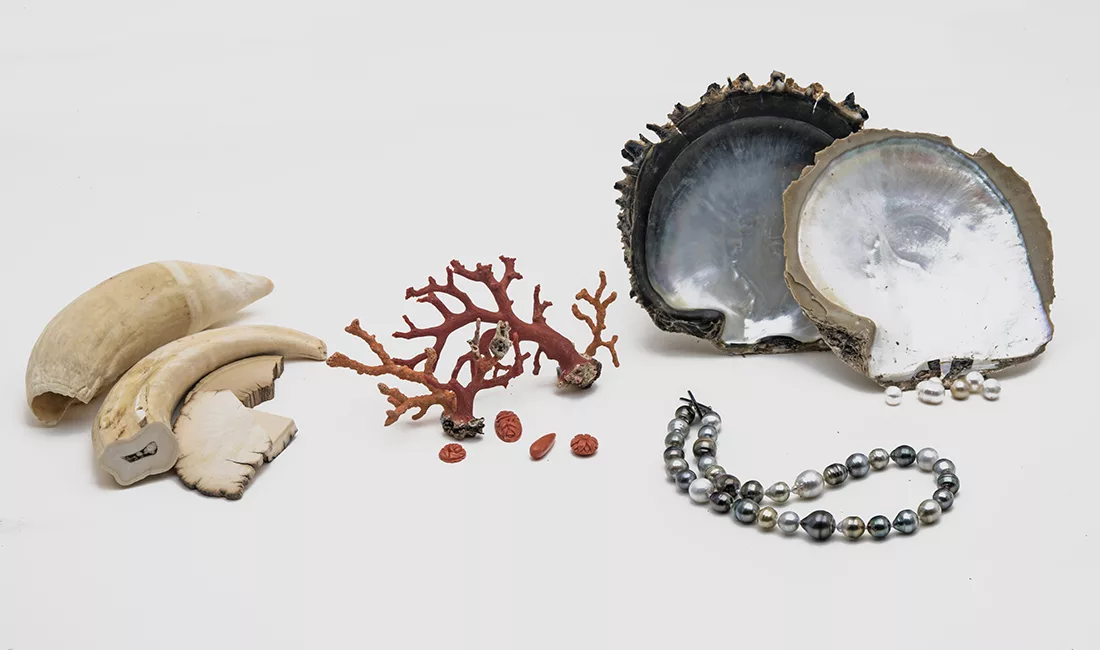
DNA Fingerprinting of Pearls, Corals and Ivory: Research Update
SSEF pioneered DNA fingerprinting of pearls in 2013, in collaboration with scientists from ETH Zürich. This was the first published report of oyster DNA extraction from a pearl, allowing us to trace and fingerprint pearls of unknown origin and match them to the specific oyster species in which they formed.
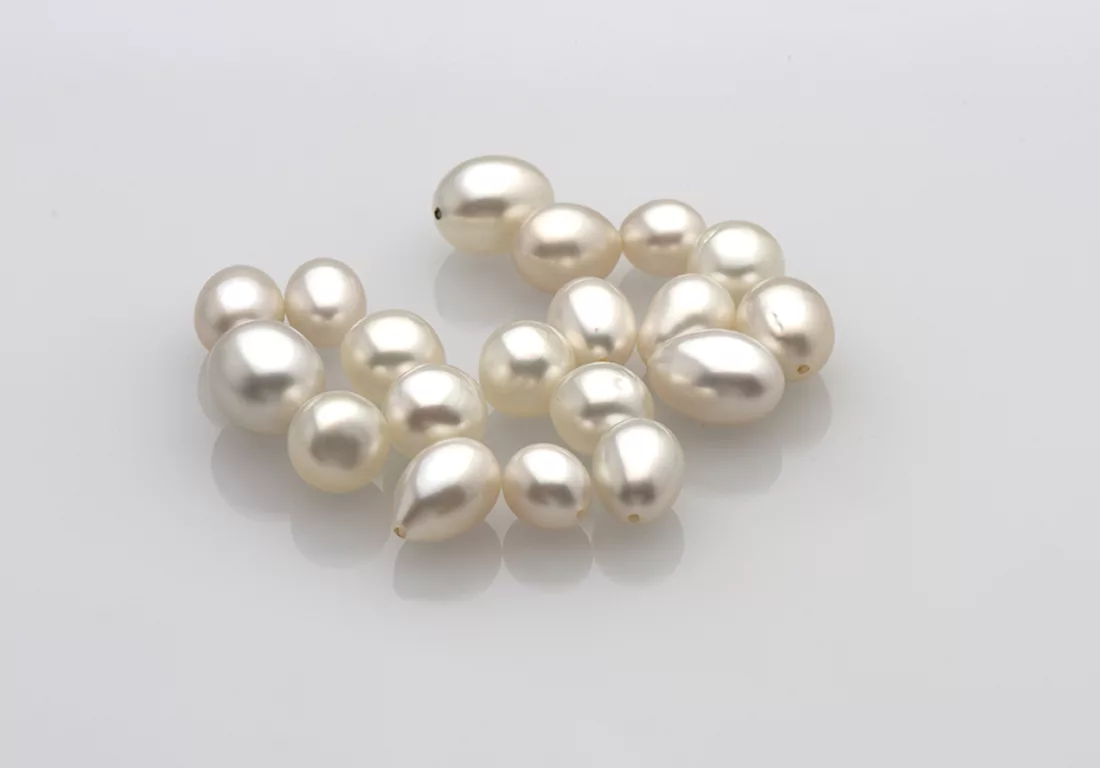
Chasing Cultured Pearls at SSEF: Cultured Pearls using a Natural Pearl as a Bead
As a leading pearl testing laboratory worldwide, the SSEF has analysed in the past few months a large number of pearls for our clients. Besides natural pearls of impressive size or historic provenance (e.g. the pearl pendant of Marie Antoinette and the so called Dodge pearls), we regularly identify and sort out
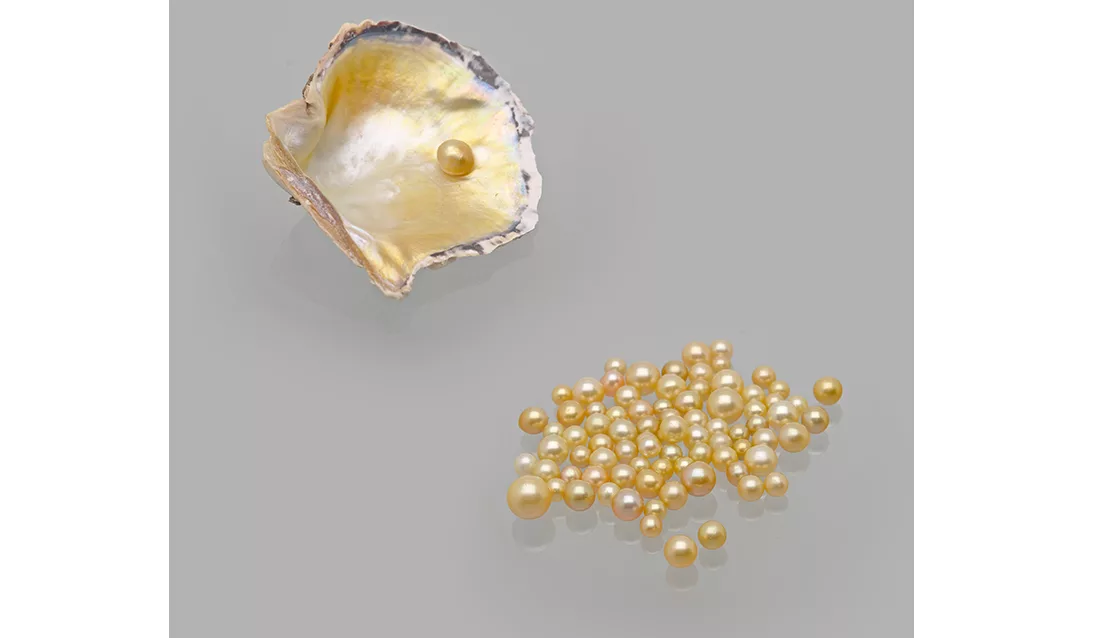
Pipi Pearls from the Pacific
first published in Facette 21 (February 2014) In 2 […]
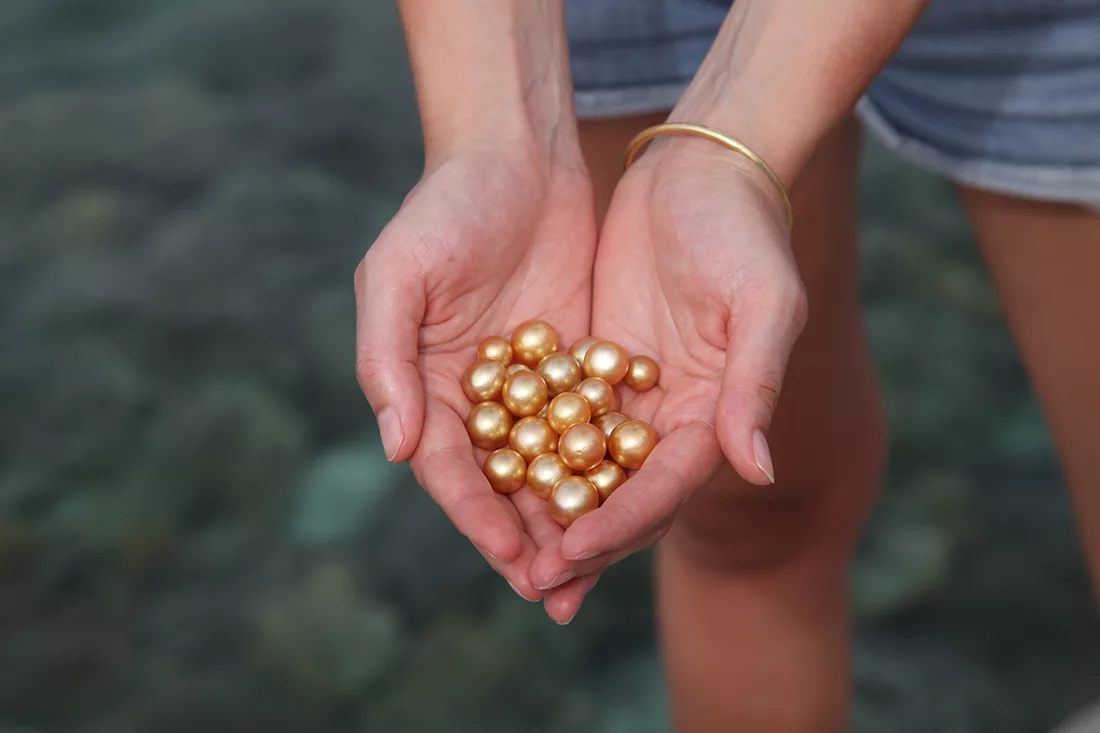
Research on Golden Cultured Pearls
In February 2016 Dr. Laurent Cartier had the opportunity of visiting Jewelmer pearl farms near Palawan Island in the Philippines and observing the different culturing techniques required to harvest golden South Sea pearls.
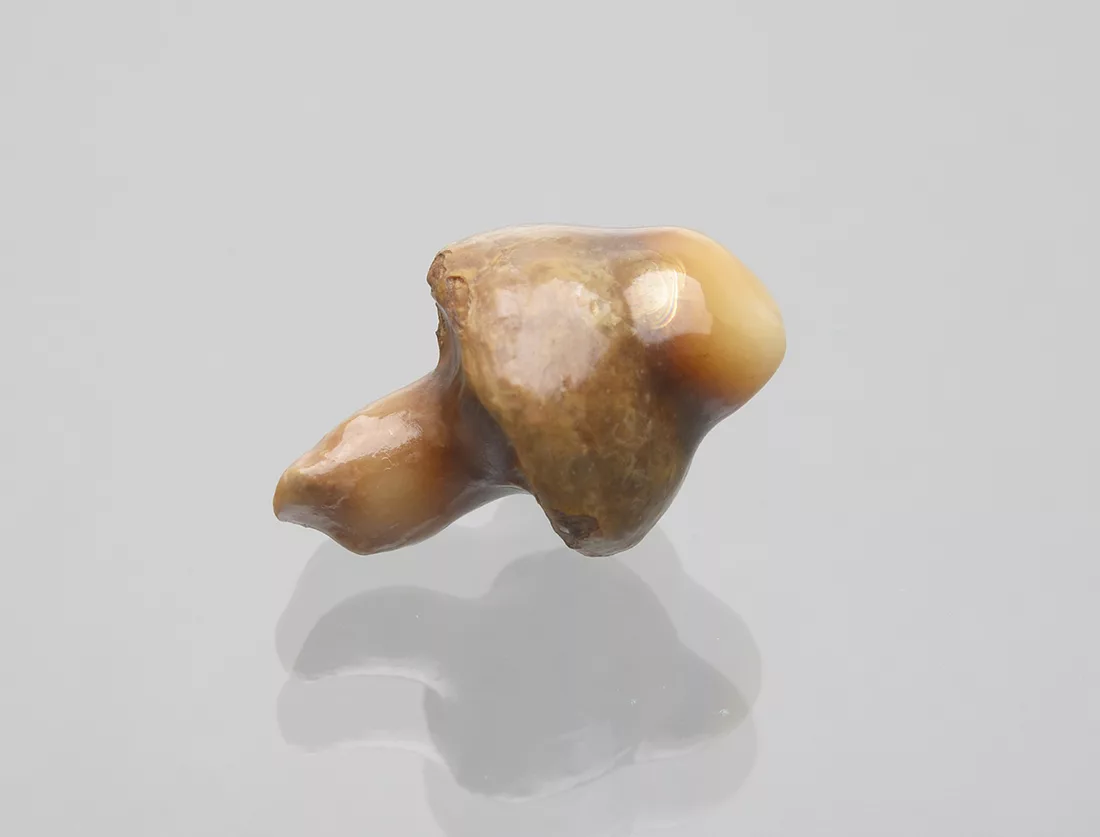
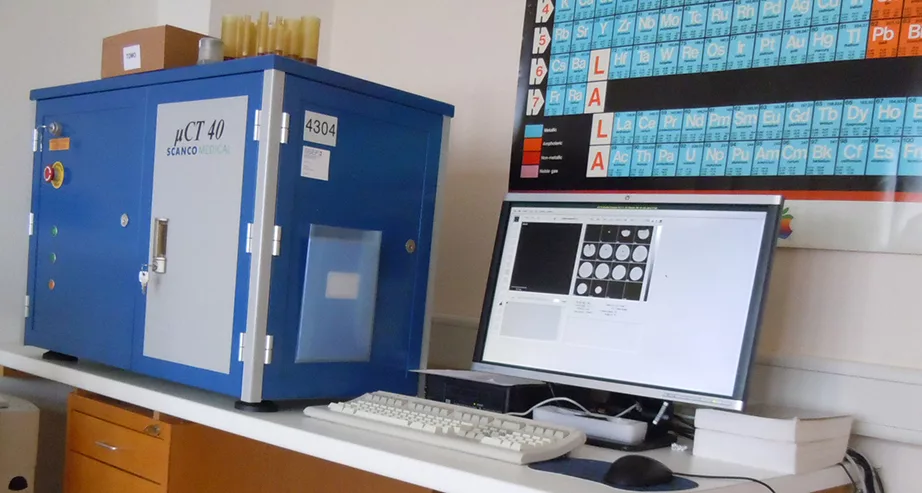
X-Ray Computed Microtomography at SSEF
by Dr. F. Herzog & M.S. Krzemnicki, first published […]
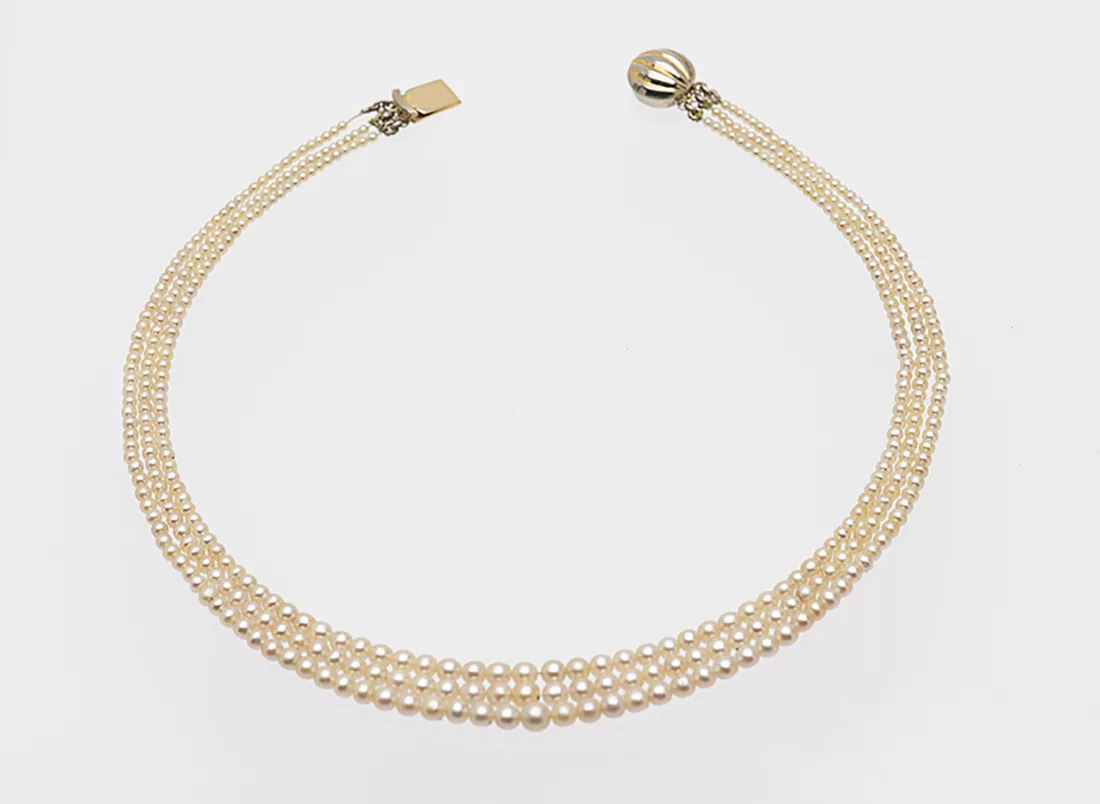
Fake Historic Provenance: ‘Aged ’ Cultured Pearls
Most recently, we received a pearl necklace with 410 pearls strung on three regularly graduated strands. The pearls were characterized by a beautifully matching colour and a fine pearl lustre, reminiscent of ‘classic’ natural pearls from the Arabian Gulf. However, a closer look using X-ray luminescence (SSE
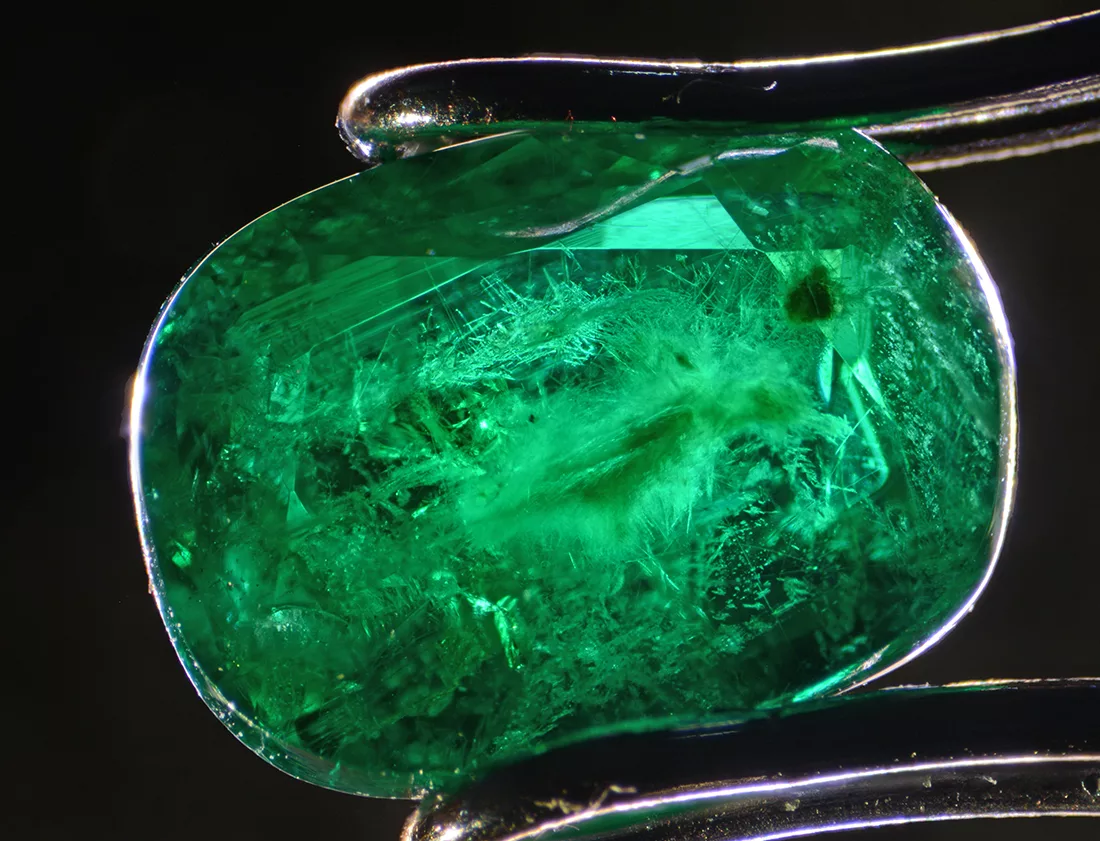
Neutron and X-Ray Tomography of Emeralds
Since two years, the SSEF has been working with the Laboratory for Neutron Scattering and Imaging at the Paul Scherrer Institute (PSI) using their ICON beamline (cold neutron imaging) at the SINQ spallation source. The aim of these research projects in collaboration with Dr. Lehmann and Dr. Mannes is to analyse