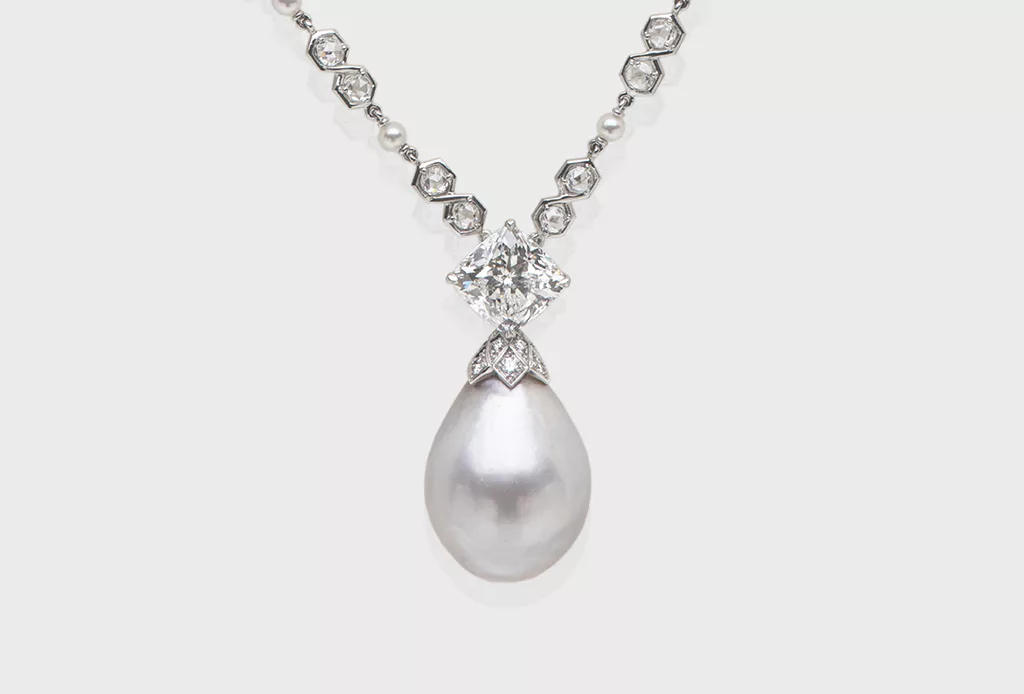
Queen Mary pearl: age dating & DNA fingerprinting
Similar to gemstones which are re-polished over time and thus need an updated SSEF report, we also occasionally receive pearls a second or third time for a new report, for example when the pearl is set in a new jewellery design. This is specifically the case when a pearl is important and/or of historical proven

The value of cultured pearls: evolution and current trends
Pearls are often reported as the oldest valuable gem known to humankind, and have been collected for at least 8,500 years (Ainis, et al., 2019). Natural pearls are accidental formations in wild oysters or mussels, and have been considered to be one of the most precious gems in many cultures (Kunz & Stevenson, 1
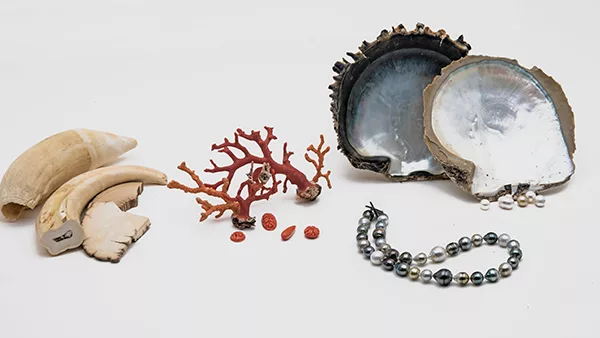
DNA Fingerprinting and Age Dating of Historical Natural Pearls
Presentation by Dr. Laurent E. Cartier at the International Gemmological Conference IGC 2023 in Tokyo, Japan.
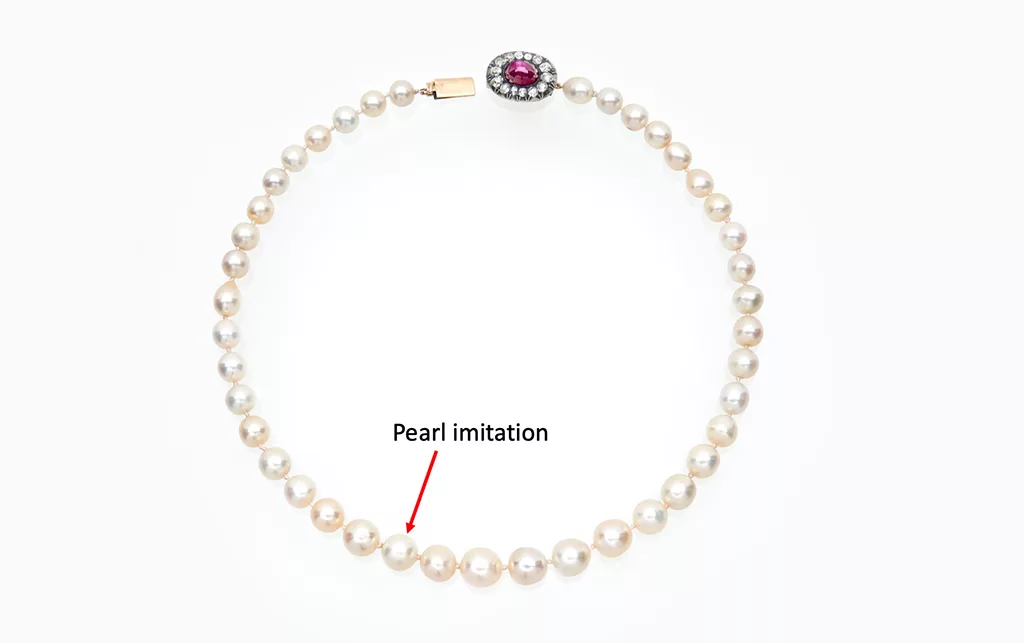
Natural pearl necklace with one imitation pearl
Our testing not only revealed the presence of 40 natural pearls of a quite remarkable diameter (8-11 mm), but in addition one imitation pearl consisting of a plastic bead covered by a ‘lacquer’ coating that seeks to mimic a pearly lustre.
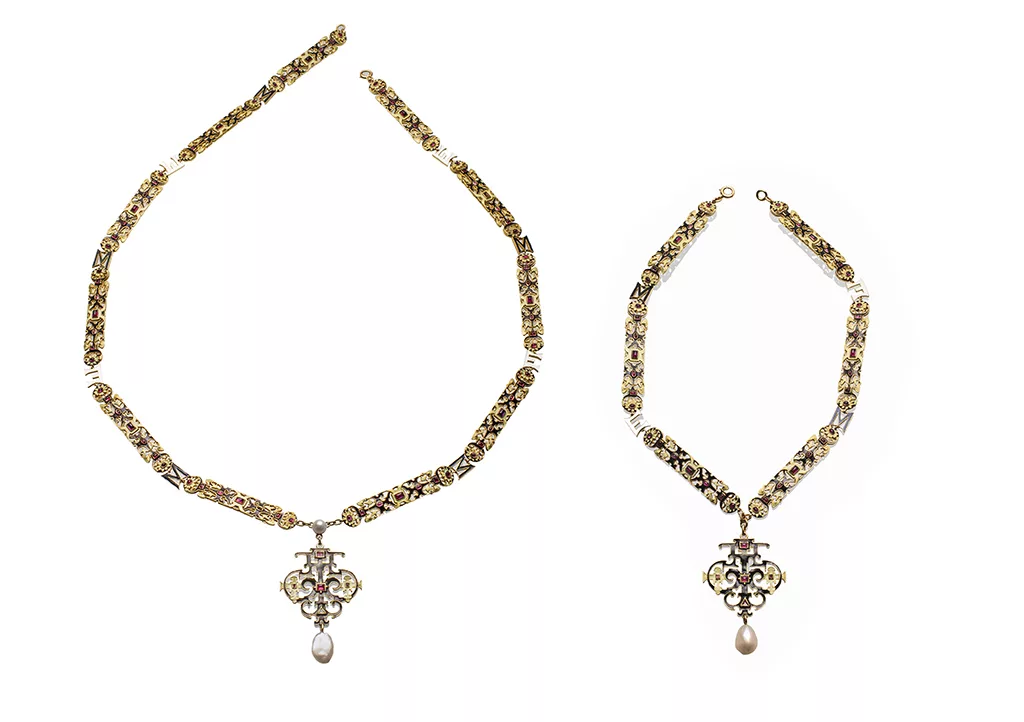
Pair of sautoirs by René Lalique
René Lalique (1860-1945) was one of the most ingenious and creative designers of jewellery and glass objects at the end of the 19th and beginning of the 20th century. He significantly contributed to the Art Nouveau and Art Déco periods.
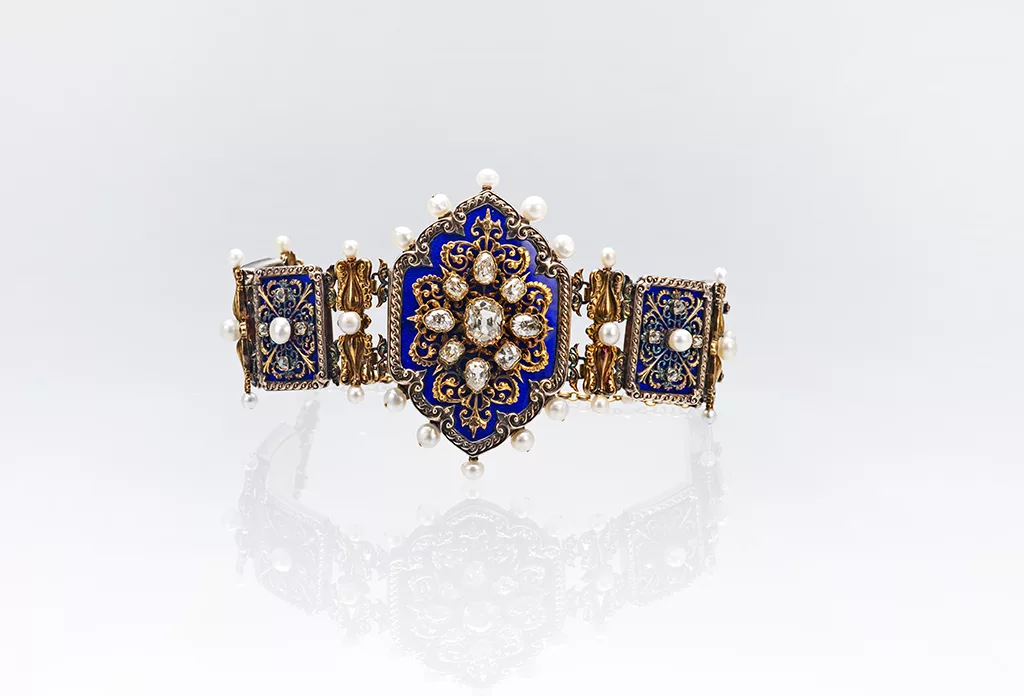
Cultured pearls in a bracelet of historic design
An antique-style bracelet with diamonds and pearls was recently submitted to SSEF for testing (Figure 1). Despite the complex setting, we were able to analyse all the pearls and found, that five of the pearls in this bracelet were in fact beaded cultured pearls (Akoya type), whereas the remaining 26 were saltwa
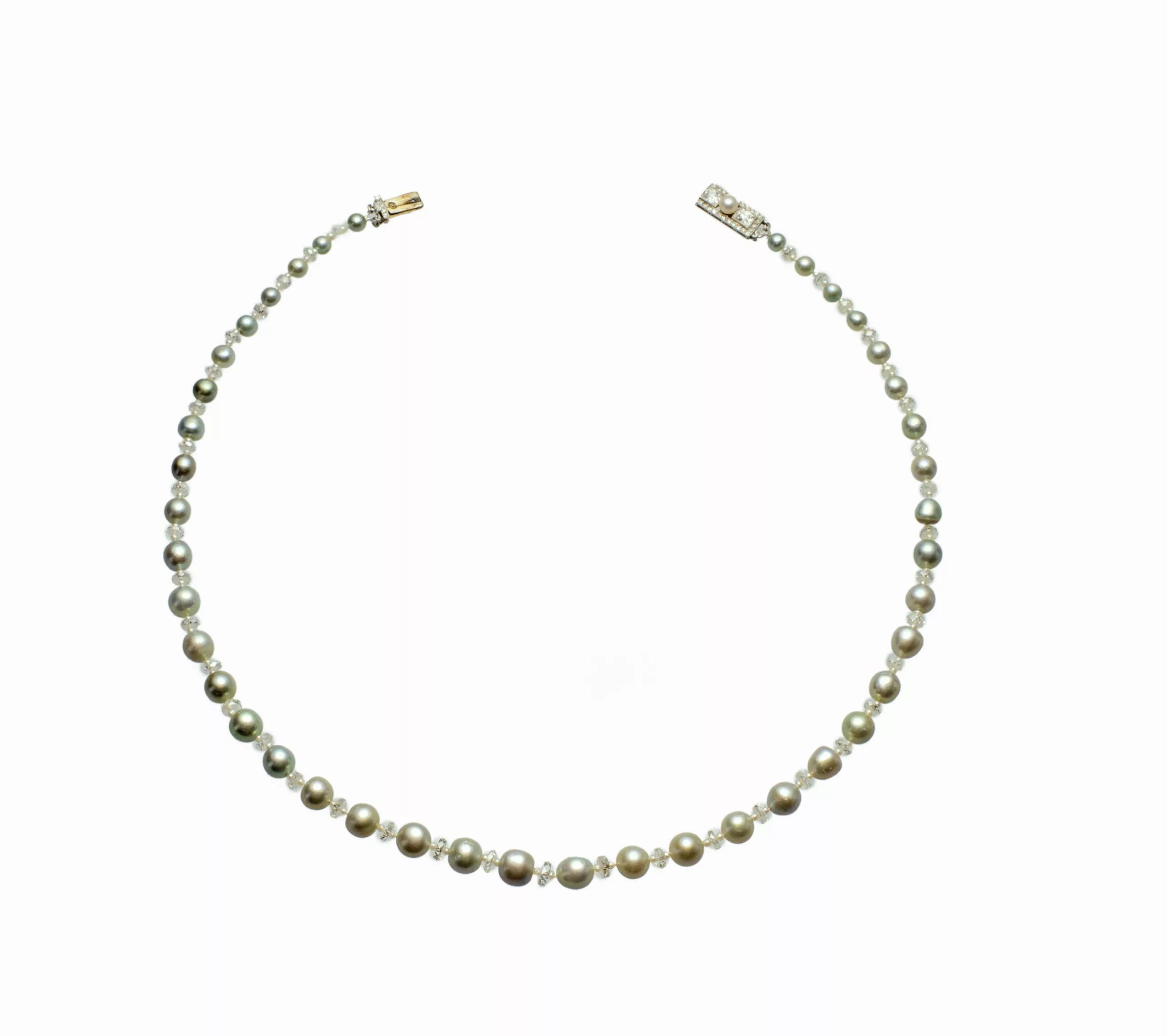
Natural pearls dyed green
The body colour of pearls is normally related to the presence of natural colour pigments produced by the mollusc during pearl formation. Another option is to colour pearls artificially, with dyeing being the most readily available method. Often applied to rather low-quality freshwater cultured pearls, these tre
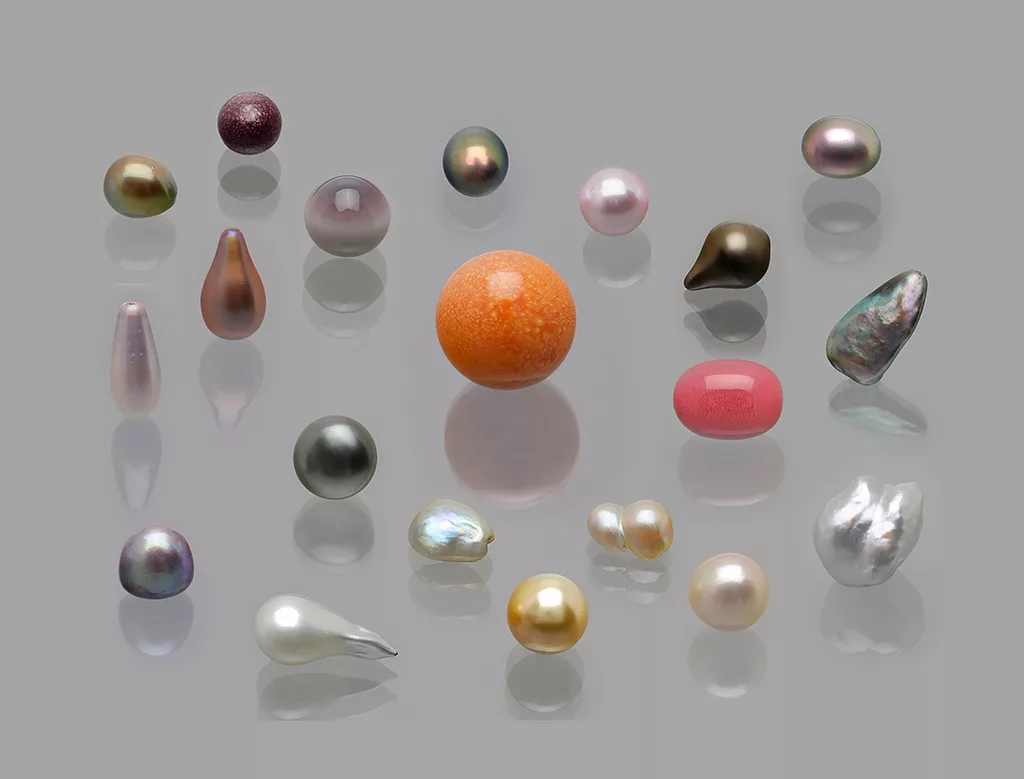
DNA fingerprinting and age dating of pearls and corals at SSEF
Pearl testing was long limited to determining whether a pearl is natural or cultured, and whether a pearl has been treated or not. As we have considerably invested in pearl research in recent years, we have achieved significant breakthroughs, namely DNA fingerprinting for species identification and radiocarbon
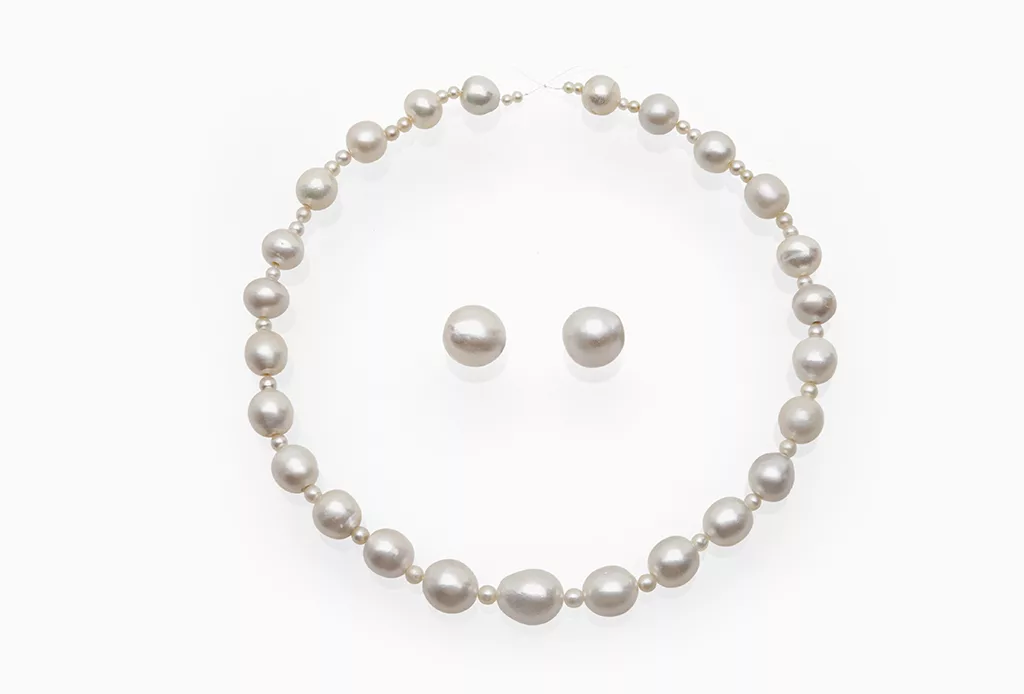
New pearl oyster species: pinctada persica
We recently tested a pearl jewellery set that consisted of 63 natural pearls, with 61 of them being strung on a thread and two additional loose natural pearls. To our knowledge, this is the first time that pearls from Pinctada persica have been reported.