




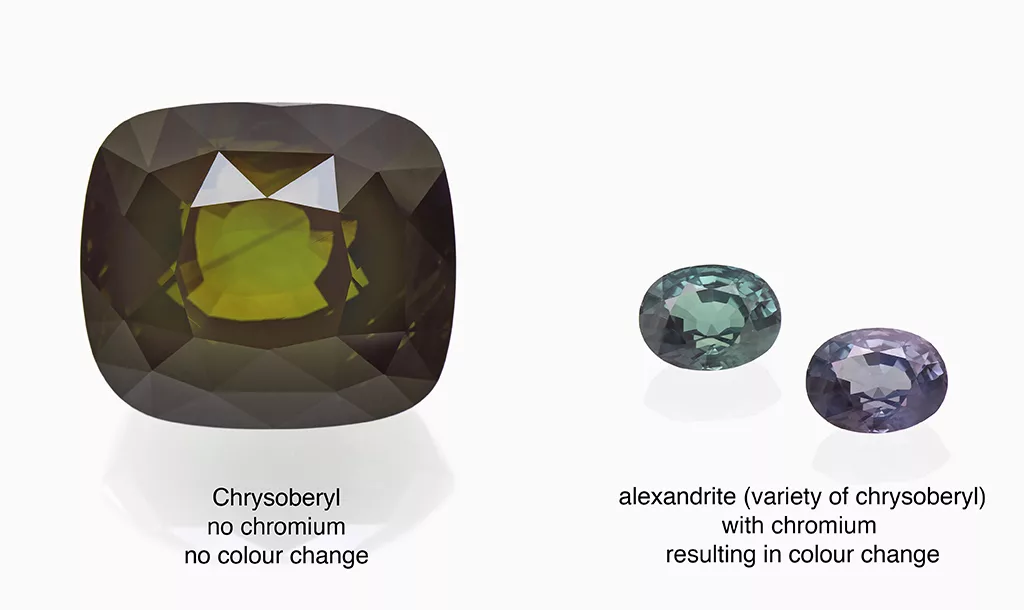
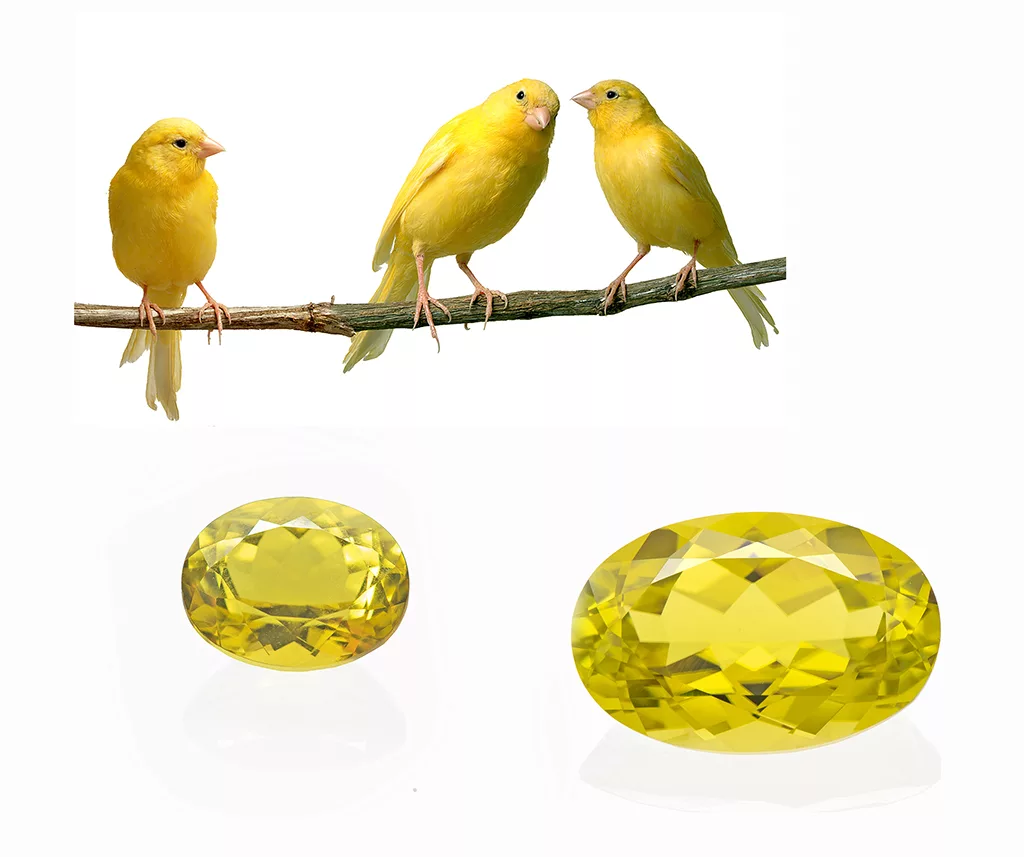
To be, or not to be, that is the question: chrysoberyl versus alexandrite
The mineral chrysoberyl BeAl₂O₄ is a highly appreciated gemstone due to its rarity, brilliance, and beauty and comes in attractive colours commonly ranging from colourless (chemically pure) to yellow, yellowish green, green, and brownish green to dark brown, mostly related to the presence of iron in its cry
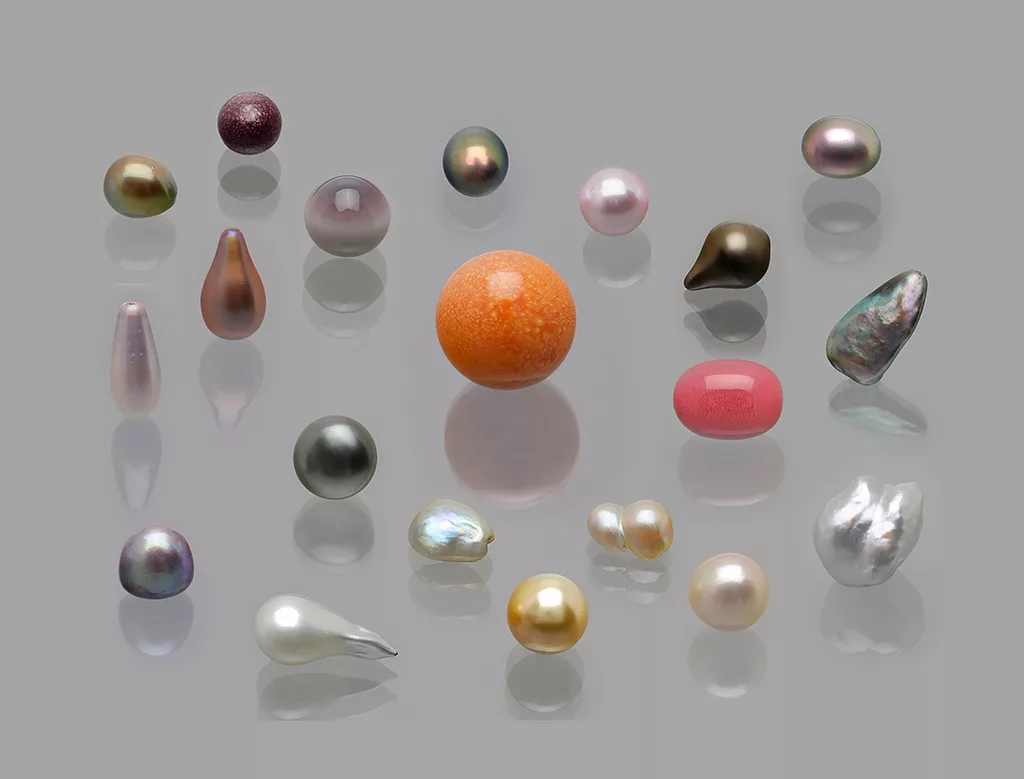
DNA fingerprinting and age dating of pearls and corals at SSEF
Pearl testing was long limited to determining whether a pearl is natural or cultured, and whether a pearl has been treated or not. As we have considerably invested in pearl research in recent years, we have achieved significant breakthroughs, namely DNA fingerprinting for species identification and radiocarbon
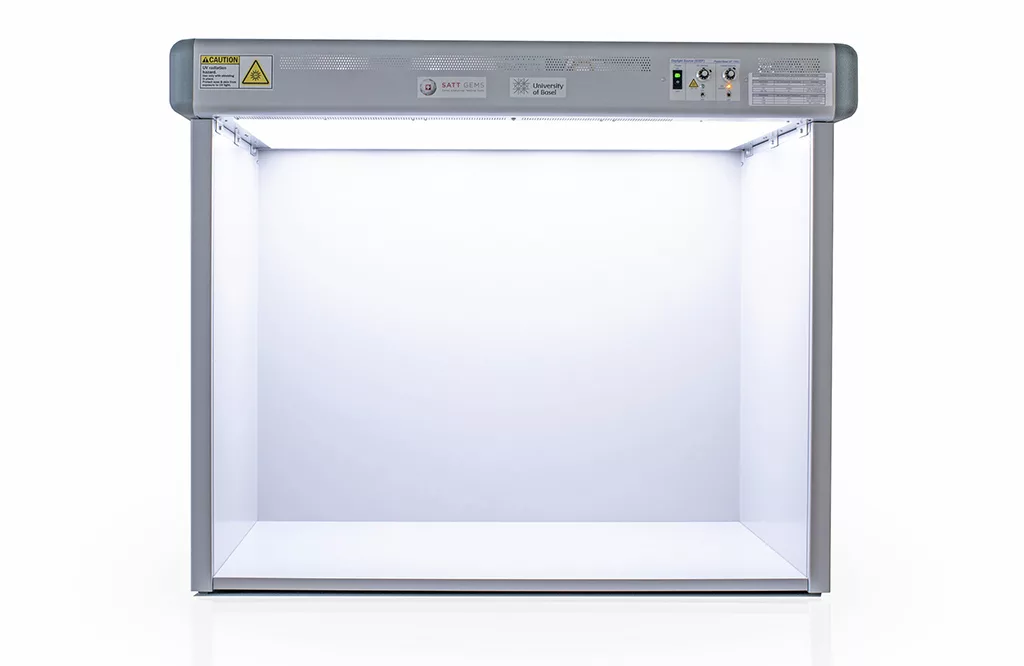
A new led daylight source for diamond colour grading
In 2020, a novel light source for the colour grading of diamonds was developed in a collaboration between SSEF and the Department of Physics, University of Basel (see Figure 1). In contrast to many of the models on the market, the new light source uses state-of-the-art LED (Light Emitting Diode) lights instead
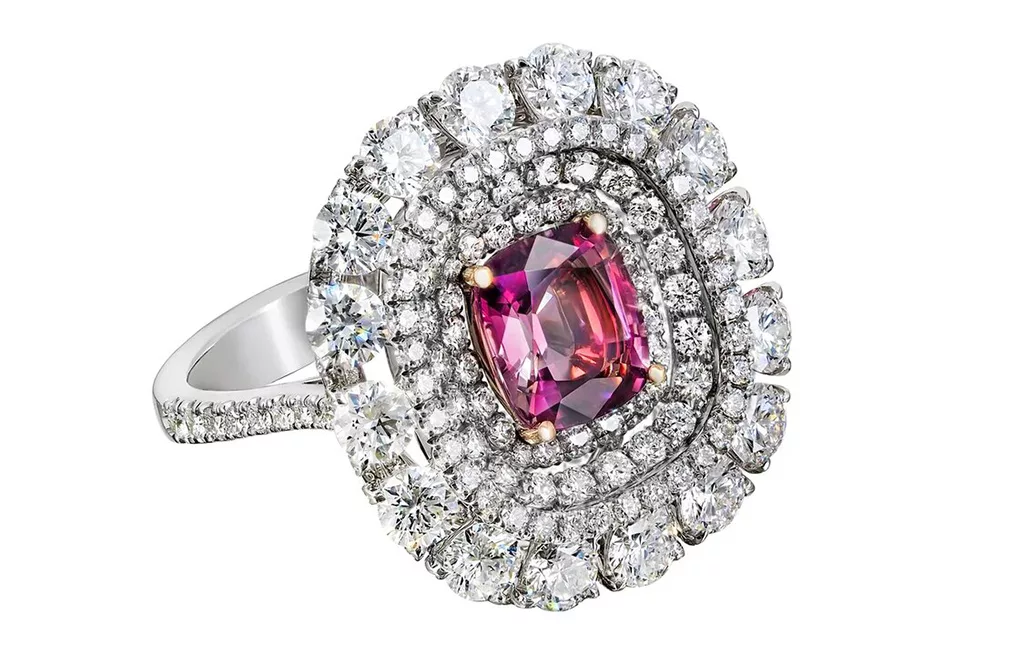
A gemmologist’s delight: poudretteite, musgravite, taaffeite, and grandidierite
by Dr. M.S. Krzemnicki, first published in Facette […]
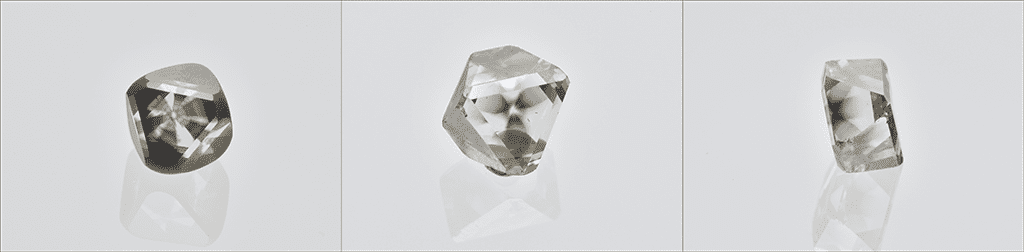
Two exceptional asteriated diamonds
by Dr. L. Speich & J.-P. Chalain, first published i […]
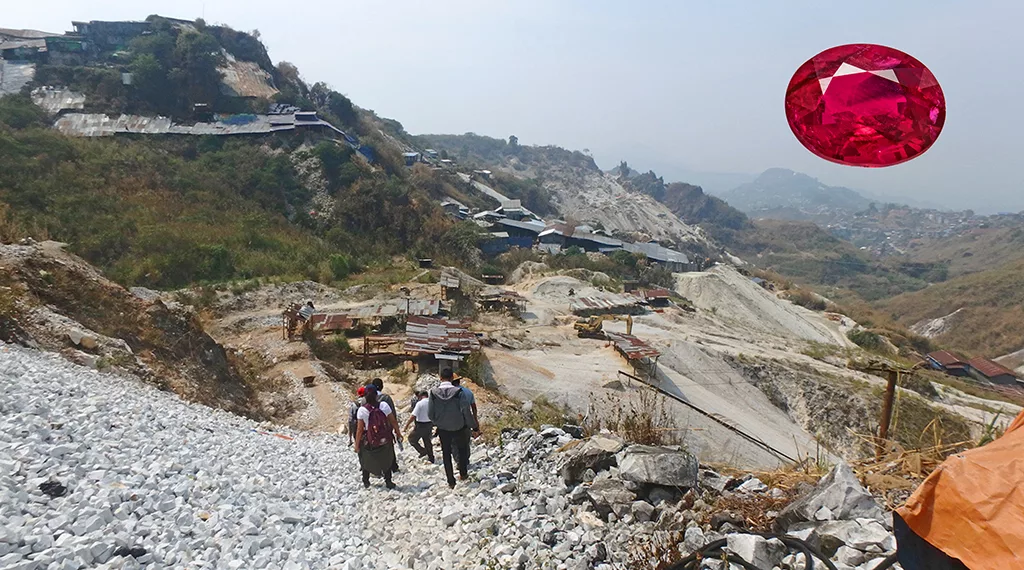
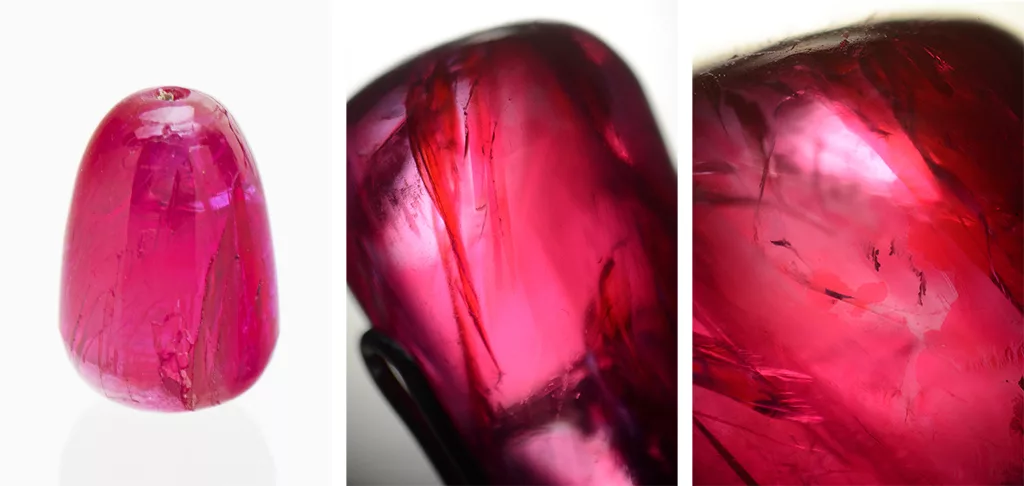
Heated ruby from Mong Hsu (Myanmar) with blue zone
Rubies from Mong Hsu, located about 250 km southeast of the Mogok Stone Tract, entered the gem trade in the early 1990s. Since this time the Mong Hsu mines remain an important source for Burmese rubies, specifically for stones of smaller sizes (2 ct and below).
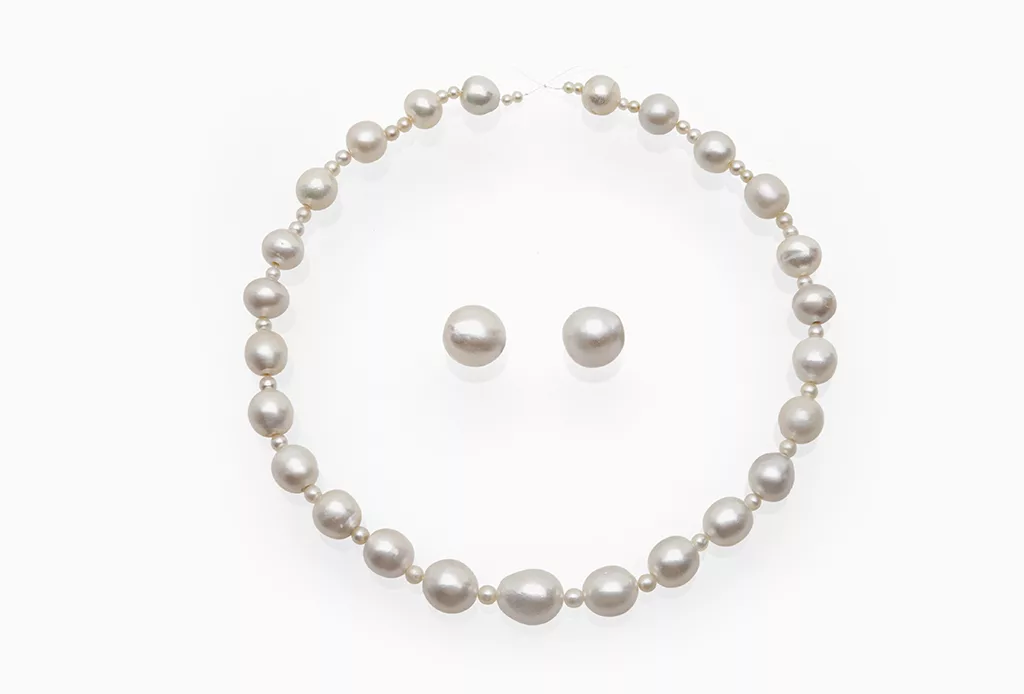
New pearl oyster species: pinctada persica
We recently tested a pearl jewellery set that consisted of 63 natural pearls, with 61 of them being strung on a thread and two additional loose natural pearls. To our knowledge, this is the first time that pearls from Pinctada persica have been reported.
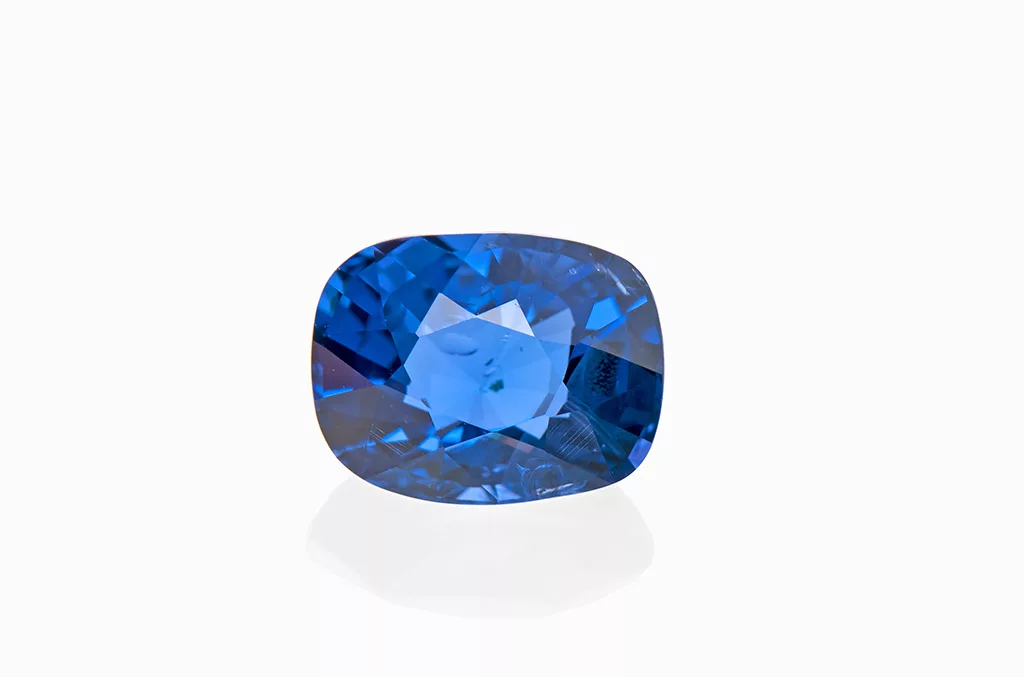
Age dating of cobalt spinel
Radiometric U-Pb dating is a promising tool in gemstone testing and is used at SSEF as an advanced analytical procedure since several years. However, this method is usually only applicable when the gemstone presents sufficient traces of radiogenic elements either in its crystal structure or within a solid inclu